Lutheran Services in America · Rural Aging Action Network · 2026

Rooted in Care: Transforming the Future for Rural Family Caregivers

Policymakers have a critical opportunity — and responsibility — to act now, strengthening support systems and investing in solutions that sustain caregivers, the people they care for, and the communities they call home.

Scroll to begin
Executive Summary
01 Executive Summary

From Alaska to Pennsylvania — and in more than 1,400 communities in between — the Lutheran Services in America network has long stood alongside rural family caregivers, recognizing their essential role in supporting older adults to live with dignity, independence, and choice.

Family caregivers are not just part of the system — they are central to it — and their perspectives are indispensable in shaping solutions that truly reflect the realities of care. This report centers the experiences of rural family caregivers, ensuring their voices help guide decisions that impact access, services, and long-term supports. While data highlights trends and gaps, it is the lived experiences of caregivers that bring those numbers to life — illustrating the daily tradeoffs, resilience, and challenges behind the data. When combined, these insights create a stronger foundation for policies and practices that better support rural family caregivers, strengthen communities, and improve outcomes for rural older adults.

The Essential Role of Family Caregivers

Family caregivers are the backbone of our health care system — providing an estimated $1.01 trillion in unpaid care each year and serving as essential partners to both patients and providers. More than one in four adults care for a family member or friend living with a serious illness, disability, or chronic condition. They are predominantly women, often balancing employment and child-rearing alongside caregiving responsibilities, with nearly half providing 27 or more hours of care each week. Despite the essential — and often meaningful — nature of this role, caregiving takes a significant toll. Family caregivers experience higher rates of depression, chronic disease, and financial strain than non-caregivers, all while remaining largely unsupported by the systems that depend on them.

Data Sources

This report draws on national data from Caregiving in the U.S. 2025 (a project of National Alliance for Caregiving and AARP), insights from a February 2026 Rural Community Insights Survey across North Dakota, South Dakota, Montana, and Minnesota, and research from Rural Voices Shaping Transformation by Lutheran Services in America's Rural Aging Action Network. Together, these findings underscore a clear reality: rural family caregivers are quietly holding our rural health system together.

$1.01T
In unpaid care each year, serving as essential partners to both patients and providers
12.6M
Family caregivers in rural communities, where these challenges are even more pronounced
1 in 5
Caregivers live in a rural community; they and their loved ones rely on an infrastructure that is steadily eroding

Study Geography

North Dakota

Rural Community Insights Survey respondents

South Dakota

Rural Community Insights Survey respondents

Montana

Rural Community Insights Survey respondents

Minnesota

Rural Community Insights Survey respondents

"Rural family caregivers are quietly holding our rural health system together. Policymakers have a critical opportunity — and responsibility — to act now."

Alesia Frerichs, President & CEO · Lutheran Services in America

Rural Community Insights Survey · February 2026

Four Key Challenges Emerge

Four key challenges emerged from family caregivers in the Rural Community Insights Survey, aligning closely with findings from the national survey data from Caregiving in the U.S. 2025.

0%
Share they spend 21 hours or more per week caregiving, with one-third exceeding 40 hours.
0%
Rated emotional stress at 3 out of 5 or higher. Notably, no respondents rated emotional stress at the lowest levels.
More than half
Of respondents rated their financial stress as 4 or 5 out of 5.
0%
Are accessing respite services, despite these being among the most urgently needed supports.
The Data
02 The Data

The Need to Strengthen Rural Family Caregivers: What the Data Tell Us

Four key challenges emerged from family caregivers in the Rural Community Insights Survey, aligning closely with findings from the national survey data from Caregiving in the U.S. 2025. In rural communities, data from lived experience indicates that family caregivers face:

01

Challenge One

Strengthening Caregivers:
Addressing Emotional & Physical Toll

Rural caregiving is intense and sustained. From the Rural Community Insights Survey, 57% share they spend 21 hours or more per week caregiving, with one-third exceeding 40 hours. Nearly half have been caregiving for more than three years. The emotional weight is severe.

Spend 21+ hours/week caregiving 57%
Exceed 40 hours/week (full-time caregiving) 33%
Caregiving for more than 3 years ~50%

Emotional Stress — Level 3+ of 5

87.5%

of survey respondents rated their emotional stress at 3 out of 5 or higher. Zero respondents rated it at the lowest levels.

Maximum Emotional Stress — Level 5 of 5

43.75%

reported the maximum emotional stress level — nearly half of all rural family caregivers surveyed.

Christina, Family Caregiver, Rural Minnesota

Caregiver Voice

"In our culture, caring for elders is not a burden — it is how we honor where we come from."

Christina

Family Caregiver · Rural Minnesota

02

Challenge Two

Bridging the Gaps:
Expanding Access to Services

Rural caregivers consistently face access challenges to affordable services and supports including in-home health assistance, limited broadband that restricts telehealth, and declining access to clinics and hospitals. Among Insight Survey respondents, only 21.88% are accessing respite services and 37.5% are using home and community-based services, despite these being among the most urgently needed supports.

0%

Are accessing respite services, despite these being among the most urgently needed supports

0%

Are using home and community-based services (HCBS), despite these being among the most urgently needed supports

0%

Of rural family caregivers live with their care recipient, meaning many must travel considerable distances, often across inadequate infrastructure, to provide daily care

0%

Of rural caregivers say affordable services are very hard to find

22%

Accessing Respite Services

38%

Using HCBS Services

37%

Live With Care Recipient

When formal systems fall short, informal networks — neighbors, churches, and volunteer first responders — step in to fill the gap.

That resilience is real, but it cannot substitute for systems intentionally designed to support families navigating the growing complexity of caregiving.

03

Challenge Three

Easing Financial Strain

Caregiving places a significant financial strain on families. Nationally, 47% of family caregivers report at least one negative financial impact, such as increased debt, delayed retirement, or unpaid bills. In the Rural Community Insights Survey, more than half of respondents rated their financial stress as 4 or 5 out of 5.

Family caregivers with at least one negative financial impact 47%
Rated financial stress at 4–5 out of 5 >50%
Rural caregivers employed while providing care (national data) 52%
Survey respondents holding full-time salaried positions ~33%

Employer Opportunity

56% of rural working caregivers, according to Caregiving in the U.S. 2025, say their supervisors are aware of their caregiving responsibilities, highlighting an opportunity for employers to provide greater support through flexible scheduling and workplace accommodations.

04

Challenge Four

Improving the Workforce Shortage

Rural communities are facing a deepening workforce crisis. Home care workforce challenges — including worker shortages, inadequate training, and low wages — were identified as a top priority for action. As the supply of direct care workers continues to shrink and younger populations move away, rural communities are left with a rapidly aging population and too few workers to meet rising care needs.

1 in 4

Americans live in a Health Professional Shortage Area — and 72% of those are in rural communities. Health professionals in rural areas face increased risk of burnout, high turnover rates, and persistent difficulties with recruiting and retaining staff.

Source: National Conference of State Legislatures

Health Professional Shortage Areas — Rural Share

Each icon represents 4% — Rural shortage areas

The Compounding Effect

Even when older adults qualify for services, there often aren't enough providers available to deliver that care — forcing rural family caregivers to step in and fill the gap, often without pay, training, or support.
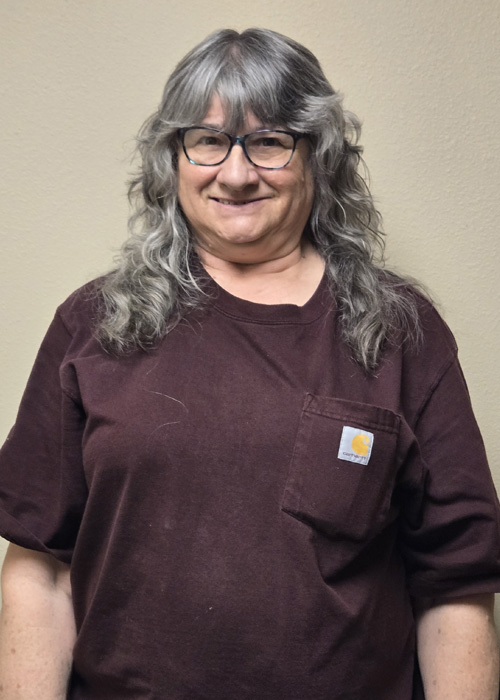
Ione, Family Caregiver, Rural South Dakota

Caregiver Voice

"Community based programs, like the Rural Aging Action Network, are essential for family caregivers. Without this support, I would have been left to navigate caregiving challenges completely on my own. Having someone to explain things, answer questions, and provide guidance made all the difference."

Ione

Family Caregiver · Rural South Dakota

Rural Reality

"Rural family caregivers are the backbone of care in rural America — sustaining families, reducing avoidable transitions into higher levels of care, and holding entire communities together, often at significant personal, financial, and emotional cost."

Regan McManus, Director of Aging Initiatives · Lutheran Services in America

Policy Opportunities
03 Policy Opportunities

Where Policy Can
Make the Difference

Aligning the four priority challenges identified by rural family caregivers in the Insight Survey, and reinforced by national data, LSA and NAC highlight the following policy opportunities at the federal and state levels for action to increase support for caregivers in rural communities.

Strengthening Caregivers

Addressing Emotional & Physical Toll

Respite Care

Federal Action

  • Expand access to the Lifespan Respite Care Program, strengthening coordinated, accessible respite systems — a bipartisan program with a track record in rural communities.

State Action

  • Include respite care as a covered benefit in Medicare and Medicaid, with differentiated rates for qualified service providers delivering services in rural areas.

★ State Example: North Dakota

The North Dakota Medicaid HCBS Waiver includes respite services that provide temporary, short-term relief for family caregivers, allowing time to rest or manage other responsibilities — helping prevent burnout and enable individuals to continue living safely in their homes.

Caregiver Training & Education

Federal Action

  • Increase funding for caregiver training and support services through OAA Title III-E, with dedicated set-asides for rural service areas.

State Action

  • Incentivize partnerships between rural health clinics, hospitals, and disability and aging-service providers to jointly deliver caregiver training and education — leveraging existing clinical touchpoints where caregivers already interact with the healthcare system.

Integrate Family Caregivers into Care Teams

Federal Action

  • Support rural-specific research on effective payment and service delivery models with integrated family caregiver support such as respite, including reinstating the Community Health Access and Rural Transformation (CHART) Model.

State Action

  • Support rural health systems to pilot integrated care delivery models that embed caregiver supports — including respite, training, and navigation — directly into primary care, behavioral health, and home health service design.

Bridging the Gaps

Expanding Access to Services & Infrastructure

Access to Care / Medicaid HCBS

Federal Action

  • Harmonize eligibility and enrollment processes by reducing administrative complexity and modernizing application systems through improved use of data and technology.
  • Protect existing Medicaid HCBS funding, waiver authorities, and consumer-directed options that allow compensation to family caregivers for providing care services.

State Action

  • Implement tiered Medicaid reimbursement rates that provide higher payment for home and community-based services delivered in rural areas, based on provider travel distance.
  • Braid funding streams including Medicaid waiver, Lifespan Respite, and other grant programs to close coverage gaps for rural families and improve access to supports and services.
  • Support flexibility and exemptions through Medicaid community engagement requirements for rural beneficiaries with limited broadband access for verification and reporting systems.

Transportation

Federal Action

  • Expand and align funding streams to ensure non-emergency medical transportation (NEMT) reflects rural realities, including long travel distances and cross-county travel for specialty care.
  • Support flexible, community-driven transportation models and better align Medicaid, OAA, and DOT funding to reduce fragmentation.

State Action

  • Modernize Medicaid NEMT and coordinate state-level funding to reflect rural realities, including long travel distances and limited provider networks.
  • Support volunteer driver programs and local partnerships while aligning Medicaid, OAA, and state transit investments to reduce fragmentation.

Technology & Broadband

Federal Action

  • Expand support for telehealth and enabling technologies, including assistive technology, to ensure family caregivers and older adults can reliably access services and benefits.
  • Prioritize last-mile connectivity, device access, and digital literacy, leveraging trusted community-based partners to support adoption and navigation.

State Action

  • Advance telehealth and technology strategies that reflect on-the-ground realities in rural communities.
  • Build phone- and text-based navigation models that work even in low-bandwidth regions, and support digital skills through local organizations.

Easing Financial Strain

Reducing Out-of-Pocket Costs & Strengthening Supports

Affordability

Federal Action

  • Support targeted, fiscally responsible policies — such as tax relief and flexible support options — that help offset out-of-pocket caregiving costs and sustain family-based care in rural communities.

State Action

  • Support family caregiver tax credits to offset the cost of caregiving.

★ State Example: Oklahoma

Oklahoma's Caregiver Tax Credit allows family caregivers to claim up to 50% of eligible expenses — such as home modifications, assistive technologies, and home health services — with a cap of $2,000 annually, or up to $3,000 for those caring for veterans or individuals with dementia. Eligibility applies to caregivers supporting a qualifying family member age 62 or older who needs help with at least two activities of daily living, with income limits of $50,000 for single filers and $100,000 for joint filers.

Family Caregiver Supports

Federal Action

  • Enhance support for family caregivers through policies that make it easier to balance work and caregiving responsibilities, such as access to paid family and medical leave and reliable job protections.

State Action

  • Establish or expand paid family leave programs that reflect the realities of rural work and caregiving, aligned with existing supports.
  • Partner with local organizations to ensure family caregivers are aware of and able to access available benefits.

Improving the Workforce Shortage

Building & Sustaining a Rural Care Workforce

Federal Action

  • Support the Healthcare Workforce Resilience Act (S. 3211/H.R. 6205) to recapture unused visas to strengthen the healthcare workforce. Rural provider networks are thin — caregiver shortages mean that even eligible participants cannot always access the services they have earned.
  • Invest in flexible rural networks and innovative rural health transformation models to address the critical shortage of direct care workers.

State Action

  • Consider investing in and strengthening matching service registries that support rural caregiving networks — online platforms that connect direct care workers with older adults and family caregivers based on location, credentials, language, transportation access, and care preferences.
  • Advance state policies that recruit, train, and retain direct care workers and expand care capacity for rural family caregivers.
  • Partner with community colleges, local employers, and community-based organizations to build a sustainable workforce pipeline.
  • Strengthen support and expand rural community-based workforce models, such as community health workers, care navigators, and peer support specialists, that help family caregivers navigate services, coordinate care, and reduce barriers to aging safely at home.

★ State Example: Minnesota

Minnesota runs a matching service that works for both people using Medicaid and those paying on their own. Worker profiles include background checks, credentials, and continuing education, so families can see at a glance whether a caregiver is a good fit.

Federal Actions
04 Priority Federal Actions

Three Actions
Congress Can Take Now

The following federal policy priorities are grounded in lived experience and focused on transforming practical and sustainable, system-level solutions for rural family caregivers. Expanding caregiver supports, strengthening home- and community-based services, improving coordination across fragmented systems, and investing in community-rooted models, while also bolstering the rural care workforce, are essential to ensuring rural family caregivers and the older adults they support can maintain health, dignity, economic security, and connection within their communities.

01

Credit for Caring Act

Pass the Credit for Caring Act

The Credit for Caring Act would provide a nonrefundable federal tax credit to help offset out-of-pocket expenses for working family caregivers — offering critical financial relief, particularly in rural communities where limited services and workforce shortages place greater responsibility on families. AARP (2024)

  • Support passage to provide direct financial relief to family caregivers
  • Expand eligibility and awareness to ensure rural family caregivers can fully access and benefit from the credit
  • Cover a broad range of qualified expenses, including in-home care, adult day services, home modifications, assistive technology, transportation, and respite care
  • Align the credit with rural workforce needs by helping family caregivers remain employed while continuing to provide care
  • Pair the tax credit with investments in home- and community-based services to address gaps in rural care infrastructure
02

Respite Care

Increase Funding for Respite Care

Respite care is a critical support that provides temporary relief to family caregivers — helping prevent burnout, sustain their ability to provide care, and maintain participation in the workforce, especially in rural communities where access to services is limited. Respite supports are especially vital in rural communities where limited services, workforce shortages, and long travel distances make reliable relief harder to find. National Institute on Aging

  • Expand funding for respite care through the Older Americans Act (OAA), Medicaid, and state Lifespan Respite initiatives
  • Increase access to flexible respite options, including in-home care, adult day services, and short-term residential care
  • Strengthen care coordination, voucher programs, and family caregiver training to improve utilization and effectiveness
  • Address rural barriers by investing in workforce development and innovative delivery models to reach geographically isolated communities
  • Ensure respite supports enable family caregivers to maintain their health, well-being, and ability to remain in the workforce
03

Older Americans Act

Support Access to Title III Programs under the Older Americans Act

Older Americans Act (OAA) Title III programs provide the foundational federal investment that supports home- and community-based services for older adults and their family caregivers, delivering essential supports like transportation, nutrition, in-home assistance, and caregiver resources. Through a coordinated network that includes the National Family Caregiver Support Program, these services help sustain family caregivers and reduce avoidable transitions into higher levels of care. ACL Administration for Community Living

  • Protect and increase funding for OAA Title III programs to sustain and expand home- and community-based services
  • Strengthen the National Family Caregiver Support Program to enhance respite, training, and resources for family caregivers
  • Expand access to core services, including transportation, nutrition programs, case management, and in-home supports
  • Improve coordination across aging networks to better connect rural family caregivers to available services and supports
  • Invest in rural service delivery models that address geographic barriers and workforce shortages
05 Looking Forward

Looking Forward

At Lutheran Services in America, we believe strong communities are built when people of all ages have the support they need to thrive; this report draws on the lived experiences of rural family caregivers to inform the partnerships, insights, and system changes needed to move that vision forward.

Rural family caregivers are the backbone of care in rural America — sustaining families, reducing avoidable transitions into higher levels of care, and holding entire communities together, often at significant personal, financial, and emotional cost. Yet they are doing so within systems that were never designed to support the scale or complexity of care they now provide. These individuals should be supported as both caregivers for loved ones and members of resilient rural workforces. Findings from national data, the Rural Community Insights Survey, and decades of on-the-ground experience point to a clear and urgent conclusion: without targeted, bipartisan action, the strain on family caregivers will continue to grow — putting both individual well-being and rural health systems at increased risk.

Congress and state leaders have a critical window to act. This means moving beyond acknowledgment to implementation — expanding access to respite care, providing meaningful financial relief, strengthening and stabilizing the direct care workforce, investing in trusted care navigation, and building the community-based infrastructure that rural families rely on every day. These are not optional enhancements; they are foundational investments. Supporting rural family caregivers is not just compassionate policy — it is a strategic imperative to sustain rural health care access, strengthen local economies, and ensure that older adults can age with dignity, independence, and choice in the communities they call home.

1
Pass the Credit for Caring Act to provide financial relief for family caregivers, helping offset out-of-pocket costs, expand access to in-home and respite supports, and sustain their ability to balance work, health, and caregiving in rural communities.
2
Increase funding for respite care to prevent burnout and strengthen family caregiver well-being — ensuring rural family caregivers can access reliable, flexible short-term support despite workforce shortages, long travel distances, and limited local services.
3
Strengthen and expand access to Older Americans Act Title III programs — reinforcing the essential network of home- and community-based services that connect rural older adults and family caregivers to transportation, nutrition, in-home supports, and trusted local resources.
06 Partners & Acknowledgments

This work is a collaborative effort co-branded with RRF Foundation for Aging and National Alliance for Caregiving. Their leadership, expertise, and partnership were critical to shaping, implementing, and advancing this project.

Lutheran Services in America — Rural Aging Action Network
RRF Foundation for Aging
National Alliance for Caregiving

Acknowledgment

We are deeply grateful to every rural family caregiver who shared their time, stories, and insights. Their voices are the heart of this report and the foundation for the work ahead.

© 2026 Lutheran Services in America · Rural Aging Action Network. In partnership with RRF Foundation for Aging and National Alliance for Caregiving. All rights reserved.