Lutheran Services in America · Rural Aging Action Network

Rural Voices Shaping Transformation

Stories that turn lived experience into policy change — from Minnesota, North Dakota and South Dakota.

Scroll to begin

Rural Minnesota Farmland — Photo: Lena Platonova

Page 1 of 5
01 Executive Summary

From Alaska to Pennsylvania—and in more than 1,400 communities in between—the Lutheran Services in America network has long stood alongside older adults, guided by a commitment to aging with choice and independence. We recognize the voices and lived expertise of older adults are essential to shaping the policies and practices that support them.

This report elevates the lived experiences of rural older adults — particularly those dually eligible for Medicare and Medicaid — to ensure their expertise meaningfully informs decisions that shape care, access, and equity. Storytelling is central to this work. While quantitative data reveal patterns and outcomes, stories humanize what the data show, exposing how policies are actually experienced in daily life. Together, data and lived experience offer a more complete, actionable picture of rural aging realities.

What is a Dual-Eligible Person?

A "dual-eligible person" is someone who qualifies for and is enrolled in both Medicare and Medicaid — meaning Medicare covers most medical services while Medicaid helps pay for additional costs and long-term care supports based on limited income and assets. For dually eligible older adults — who often have the highest medical and functional needs — barriers to care carry particularly serious consequences.

Why This Matters Now

The stories in this report reveal urgent gaps — but also extraordinary opportunity. The U.S. population is aging at a rate occurring more rapidly in rural areas than urban areas. Policymakers, faith leaders, and advocates can close these gaps by strengthening Home- and Community-Based Services (HCBS), simplifying benefit access, aligning resources across sectors, and leveraging both technology and trusted local networks to reduce administrative burdens. Now is the moment for leaders to act to ensure that rural, dually eligible older adults can age with dignity, connection, and stability — no matter where they live.

Key Findings

Rural older adults face significant barriers to accessing quality, affordable, and coordinated care. Common challenges include long travel distances, limited service options, confusing eligibility and application processes, and gaps in transportation, food access, and trusted navigation support. Because eligibility rules, covered benefits, and administrative processes vary widely by state, many older adults face instability and uncertainty in maintaining the care they depend on. Their experiences demonstrate why rural dual-eligible people must be centered in policy discussions focused on improving health outcomes, reducing barriers, and ensuring every person can access the care they need.

0M
Older adults aging
in rural America today
0%
Rural residents aged 65+ in 2022, up from 15% in 2000
0%
Adults 65+ dually eligible
for Medicare and Medicaid

Rural Aging Growth: 2000 → 2022

15% Year 2000
20% Year 2022

"Rural America is aging faster than many communities nationwide."

The share of older adults in rural communities has grown by 33% over the past 22 years and is expected to continue rising.

Improving outcomes for rural older adults will require a coordinated set of strategies — strengthening access to care by simplifying eligibility and enrollment, reducing administrative complexity, improving benefit communication, and modernizing policies that unintentionally disadvantage those whose assets are tied to farmland or family property. Together, these strategies translate lived experience into actionable systems change and provide a clear roadmap for building more responsive, equitable, and sustainable care systems for rural older adults nationwide.

Study Geography

Interviews were conducted in Lake Andes, South Dakota; Moorhead, Minnesota; and Fargo, North Dakota — rural communities that reflect the broader challenges facing aging populations across the Great Plains.

NORTH DAKOTA SOUTH DAKOTA MINNESOTA Fargo, ND Moorhead, MN Lake Andes, SD North Dakota Minnesota South Dakota Rural Voices 2025 / LSA RAAN

Fargo, ND

2 participants interviewed

Moorhead, MN

6 participants interviewed

Lake Andes, SD

10 participants interviewed

Minnesota · North Dakota · South Dakota

"The distance to care is real — and the cost of that distance is measured in health, housing, and connection."

— Regan McManus, Director of Aging Initiatives, Lutheran Services in America

Water Tower in Lake Andes, South Dakota, where the South Dakota interviews were held. Photo by Regan McManus.

Page 2 of 5
02 Introduction and Context — The People

Rural voices. Three states.
One urgent story.

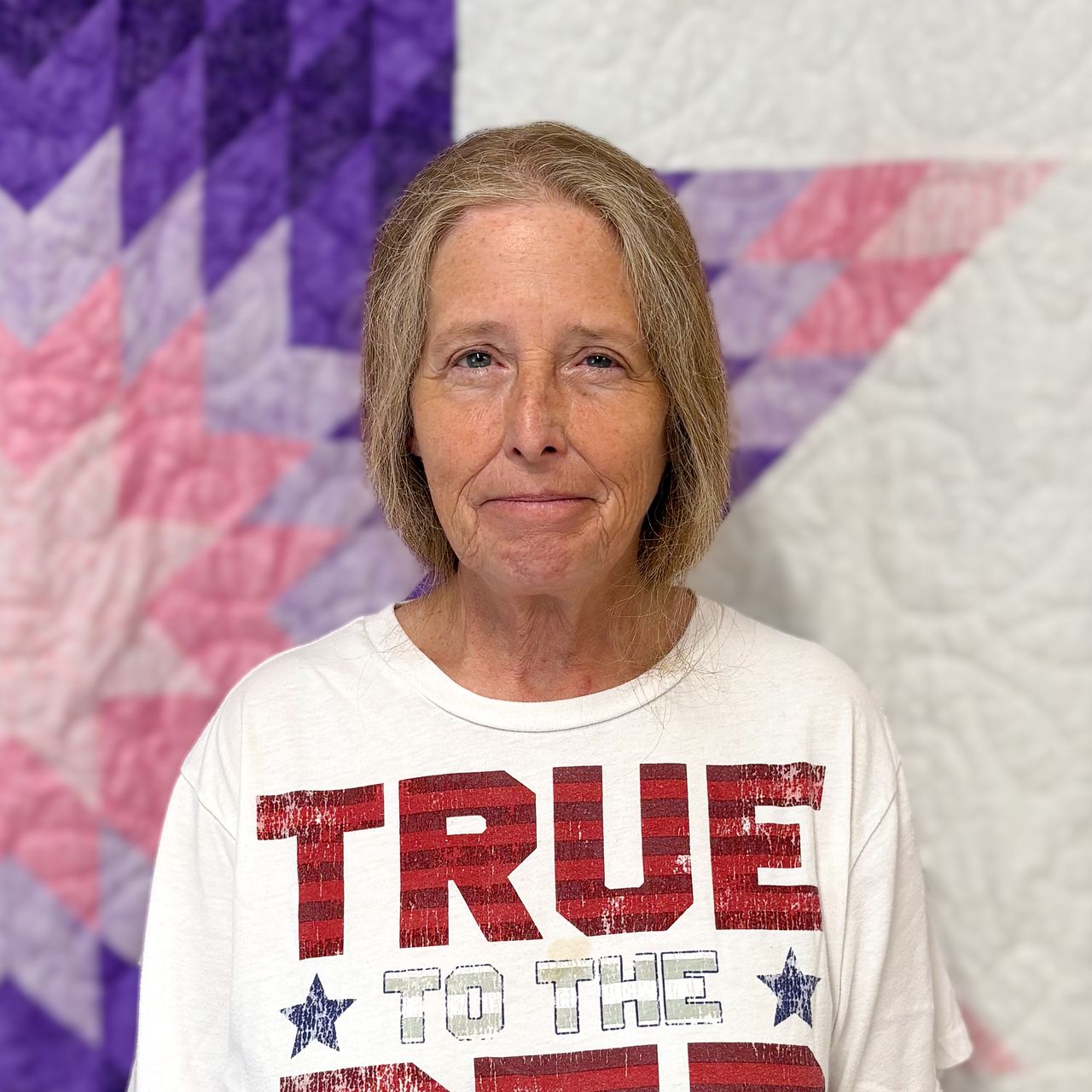
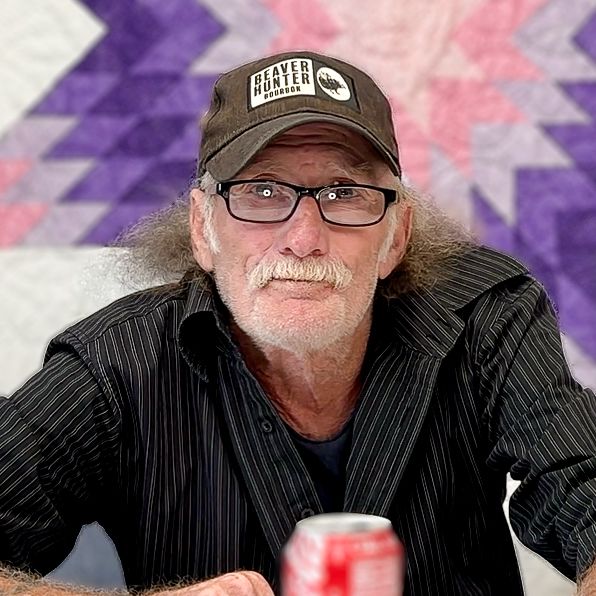
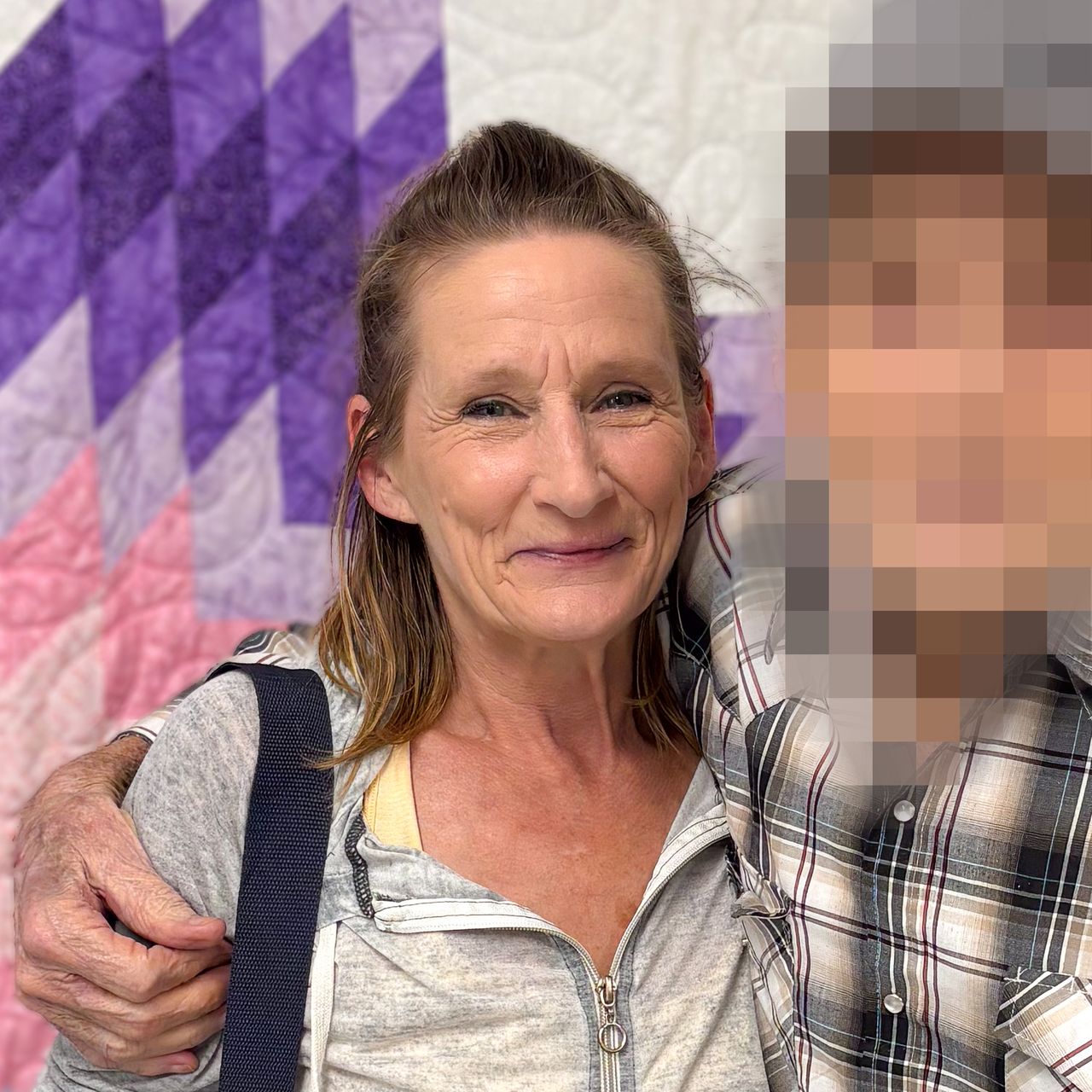
This report was developed to elevate the lived experiences of rural older adults — particularly those dually eligible for Medicare and Medicaid — and translate those experiences into practical insights for policy and systems change. Click any portrait to read their story.

These interviews were conducted in collaboration with The People Say, an online research platform that features first-hand insights from older adults on the issues most important to them. Sixteen interviews were conducted as part of this project and added to The People Say's growing database, helping to inform the development of policies, systems, and programs that more accurately reflect the needs, preferences, and realities of older adults.

Click a portrait to scroll to their story · Use ↑ Back button to return here
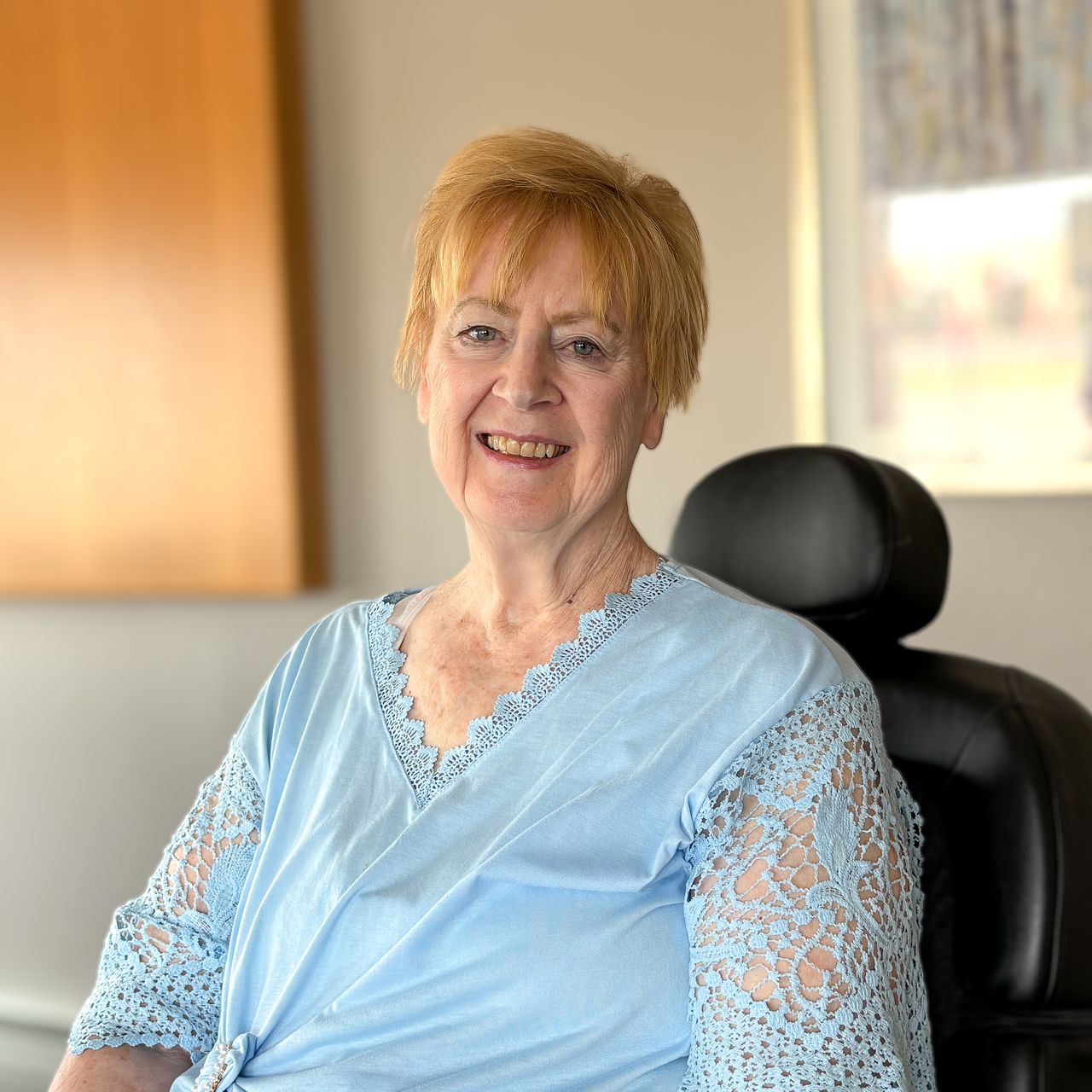
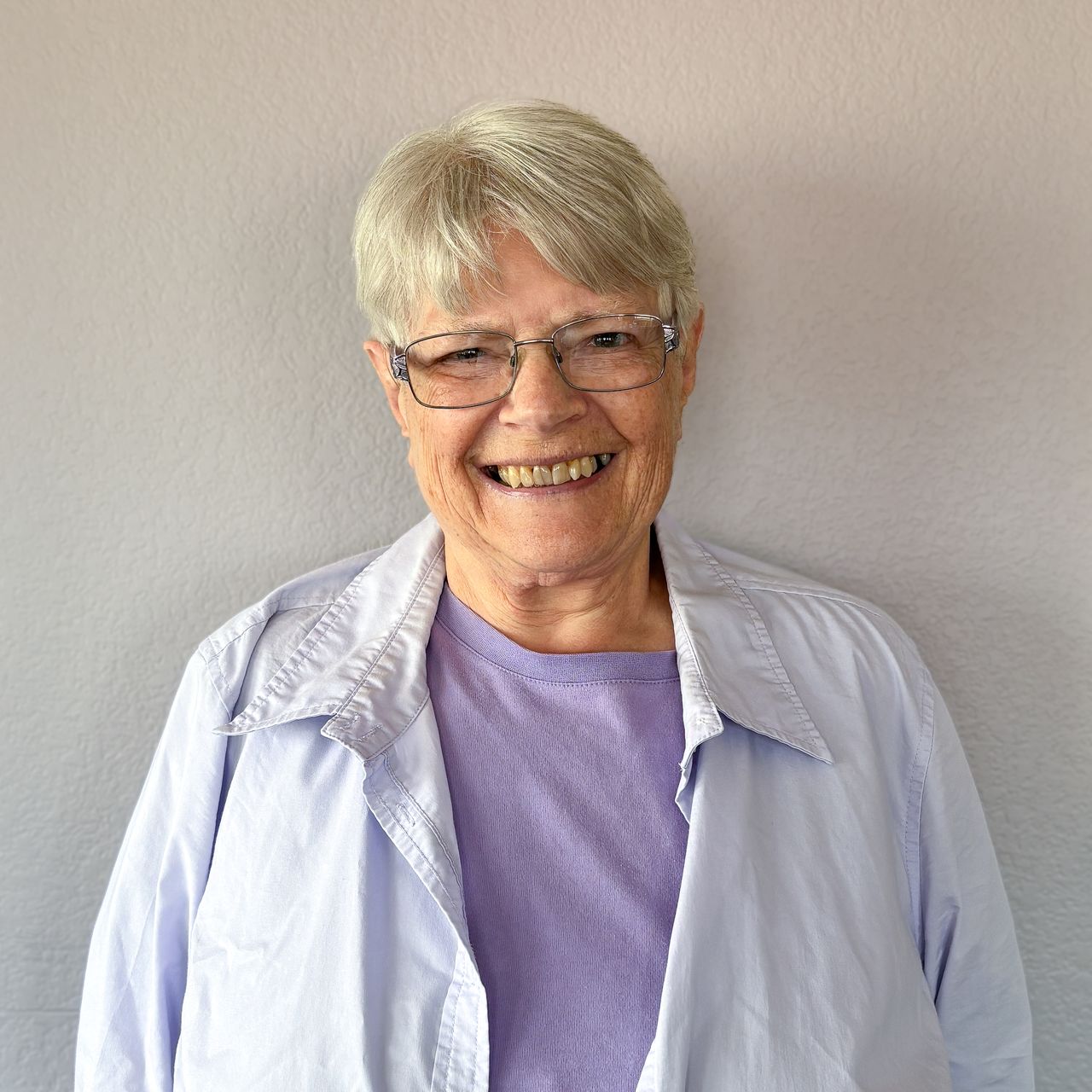
Anita, Minnesota
Anita
Minnesota
Read her story ↓
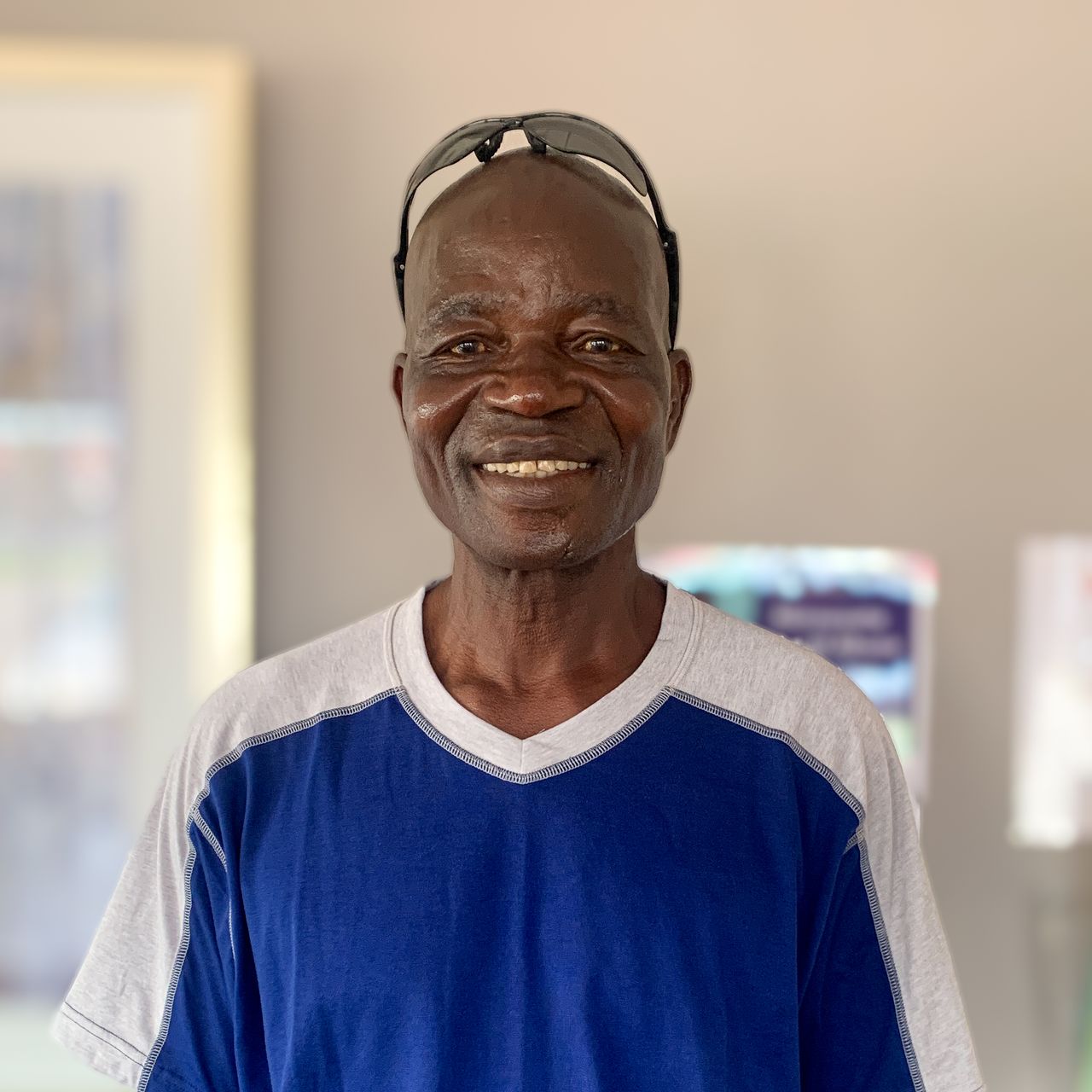
Martin, Minnesota
Martin
Minnesota
Read his story ↓
Gretchen, Minnesota
Gretchen
Minnesota
Read her story ↓
Jonathan, Minnesota
Jonathan
Minnesota
Read his story ↓
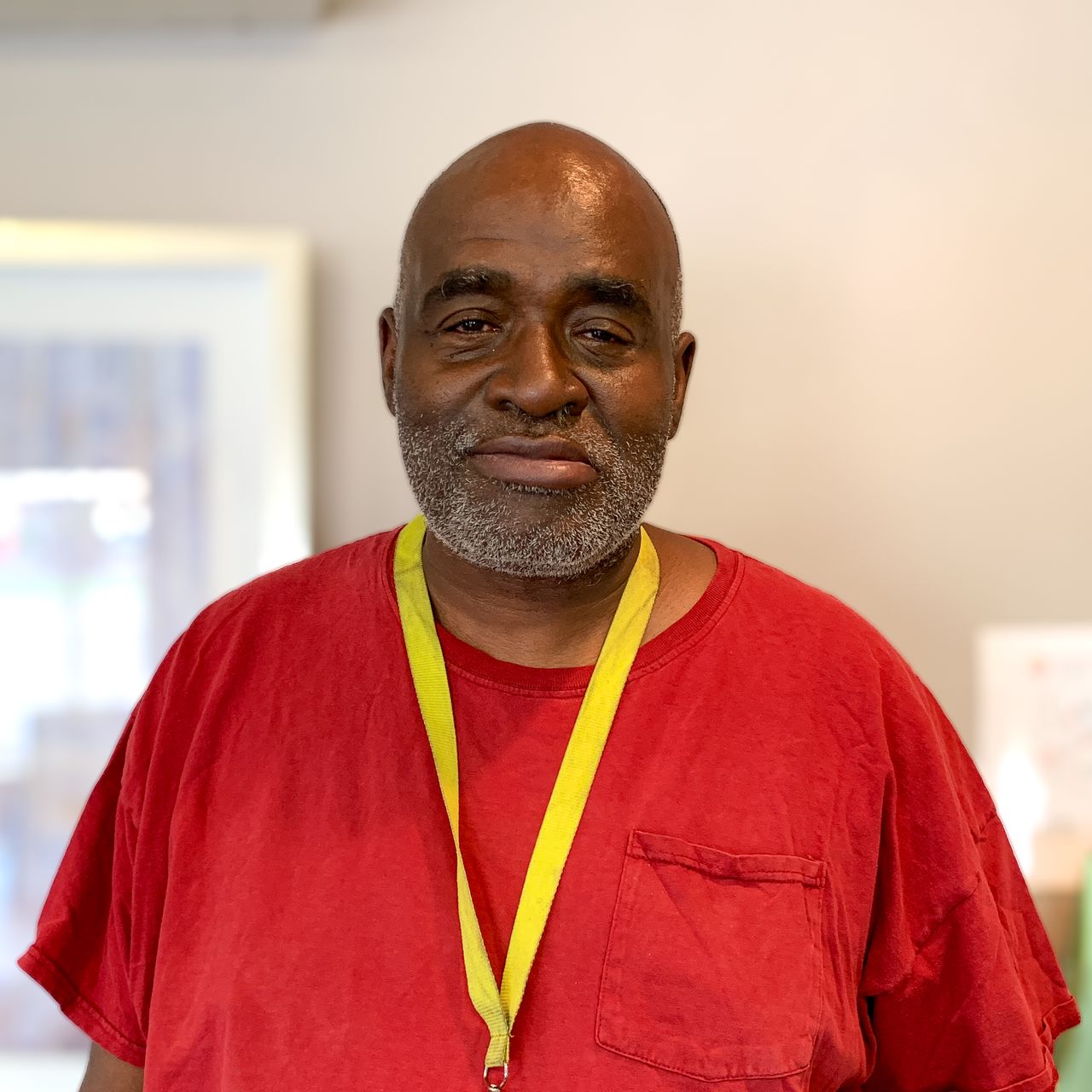
Jacob, North Dakota
Jacob
North Dakota
Read his story ↓
Amanda, South Dakota
Amanda
South Dakota
Read her story ↓
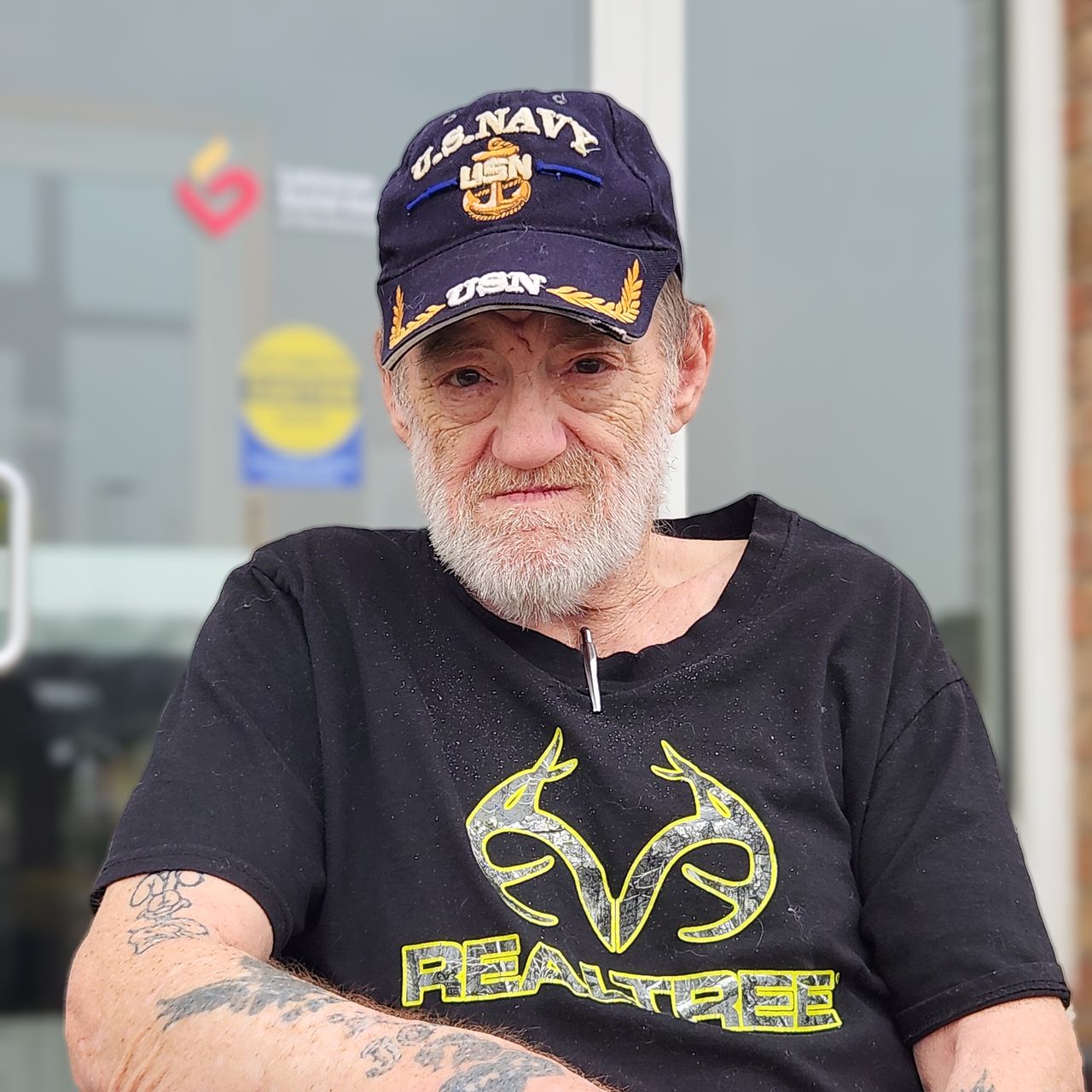
Lawrence, South Dakota
Lawrence
South Dakota
Read his story ↓
Tiffany, South Dakota
Tiffany
South Dakota
Read her story ↓
Anita, Minnesota
Anita
Minnesota
Age 76–80 Below 138% FPL MN 7th District Non-Veteran
"Where I live now, I thought something would be there. There is no coordinator. We have no coordinator. It's all up to us to manage our own events."
"I just wish our county would get some better senior housing and make these kinds of facilities available to the older population. I'm beginning to think my age group — and this is a moral question — how much do you value people of my age? Are we really someone of value? Do you value them enough to help them during an emergency situation or to give them the advantage of going someplace?"
"I'm able to receive the Friendly Visiting program through Lutheran Social Services. I'm kind of a private person, and I'm not real forthright in trying to find friends or reaching out, and so this has been nice. She's a lovely lady, and she's been willing to do things with me."
View Anita on The People Say
Martin, Minnesota
Martin
Minnesota
Age 65–70 Below 138% FPL MN 7th District Non-Veteran
"[Without Medicaid and my housing] I'd be lost. I just wouldn't know what to do. If I got sick, I don't know where to go. I would just be out. I wouldn't know what to do 'cause I've been doing this for three years. I got adapted to it and I know what to do now. If I ever lost it, I'd be in a hole."
View Martin on The People Say
Gretchen, Minnesota
Gretchen
Minnesota
Age 71–75 Below 138% FPL Minnesota Non-Veteran
"The distance to care is real. When you live 40 miles from the nearest clinic, a routine appointment takes half a day — and that's before you factor in transportation."
View Gretchen on The People Say
Jonathan, Minnesota
Jonathan
Minnesota
Age 65–70 Below 138% FPL MN 7th District Veteran
"The paperwork never ends. I fill out the same information year after year just to prove I still qualify for the same benefits. It feels like the system is designed to make you give up."
View Jonathan on The People Say
Jacob, North Dakota
Jacob
North Dakota
Age 65–70 Below 138% FPL ND At-Large Non-Veteran
"Right now, I don't have car. I can walk anywhere I want to go. I don't even have the money to buy car. [To go to the doctor] I sometimes ride bus to get there. They say, 'Where is Medicaid?...' You can use it for transportation, but I don't know how to use it. I don't know how to use it to call taxi or to get it."
"My case worker who does all this [re-certifying social security, other paperwork] thing for me. Medicaid. Now when they cut my food stamp, she can work to put it back. Medicare, they cut it. She work to put it back.... Oh, she help me with everything. Everything they've taken from me, she will make sure to put it back there.... Without her, everything is blunt to me. I don't know the procedure. I don't know where to go. She the one I'm depending on."
View Jacob on The People Say
Amanda, South Dakota
Amanda
South Dakota
Under 65 138–400% FPL SD At-Large Non-Veteran
"Everything is so far away. The nearest place that takes my insurance is over an hour drive. On a good day that's manageable. In winter, it's a different story entirely."
View Amanda on The People Say
Lawrence, South Dakota
Lawrence
South Dakota
Age 65–70 Below 138% FPL SD At-Large Non-Veteran
"The only thing I'm lacking as far as assistance from Medicaid and Medicare is my vision, my hearing, and my teeth. I've got eight teeth in my mouth, and I've pulled every one of my own teeth because insurance just don't cover it, and it should. There's no two ways around that. Medicare should step up to the plate and take care of that for elderly people. 'Cause I've worked hard in my life, and I paid into it, and I feel I should have those big benefits."
"Without Medicaid and other programs I'd be homeless."
View Lawrence on The People Say
Tiffany, South Dakota
Tiffany
South Dakota
Under 65 Family Caregiver SD At-Large
"My dad, he's worked hard all of his life. There's a lot of farmers out there that, when it comes to retirement, they don't end up with a whole lot. There's not just him out there. I know a lot of 'em, elderly people that are just barely getting by. If it wasn't for the Medicaid or the Medicare, they would totally be homeless or they would just die because they wouldn't have the money for medication."
"[My case worker] has been heaven-sent on [re-applying] because that's how I got in with her was I didn't know what I was doing. I was getting things in the mail, and I didn't know what to do with them.... She's been a really, really awesome help for me, not just for my dad, but for myself, too.... How did I meet her? I think through Lutheran Social Services."
View Tiffany on The People Say

Partnership and Approach

A collaborative effort to amplify voices often absent from policy discussions.

Who We Are

This report reflects a collaborative partnership among Lutheran Services in America (LSA), The SCAN Foundation (TSF), and Public Policy Lab's The People Say (PPL/TPS) — organizations united by a shared commitment to advancing equity, strengthening community-based systems of care, and ensuring that older adults can age with dignity and security, regardless of where they live.

LSA brings the reach and deep community relationships of its national network across rural Minnesota, North Dakota, and South Dakota. TSF contributes decades of leadership in aging policy and innovation, while PPL/TPS provides expertise in human-centered research and participatory design.

Why Dual-Eligible People

The focus on individuals dually eligible for Medicare and Medicaid reflects the complexity created by two separate programs and the importance of better coordinating care across systems. Dual-eligible older adults frequently have the greatest health, functional, and social needs, while also navigating the most complicated coverage rules and administrative requirements.1

At the same time, older adults serve as anchors in many communities — sharing wisdom, caregiving for neighbors and family, and sustaining the social fabric that rural communities depend on. In rural areas, these challenges are intensified by limited provider availability, long travel distances, workforce shortages, and inconsistent access to transportation, broadband, and trusted navigation support.

1 Roberts ET, Johnston KJ, Figueroa JF. Integrating Medicare and Medicaid Coverage for Dual Eligibles—Recommendations for Reform. JAMA. 2023 Aug 1;330(5):409–410. doi: 10.1001/jama.2023.8879. PMID: 37440224; PMCID: PMC11875113.

Across Minnesota, North Dakota, and South Dakota, participants in this study described a daily reality shaped by these intersecting challenges — where accessing basic healthcare, maintaining independence, and remaining connected to their communities often requires extraordinary persistence and resilience. Their experiences illuminate not only the gaps within current systems, but also the opportunities for targeted, community-driven solutions. By centering these lived experiences alongside quantitative data, this report offers a more complete understanding of rural aging realities and provides a foundation for policy and practice recommendations that are grounded in both evidence and the human lived experience.


Page 3 of 5
03 The Opportunity is Now — Policy Recommendations

Families consistently report that older adults want to age with dignity, remain in their homes, and stay connected to their communities.

Despite this clear need, rural older adults face significant barriers, including lack of liquidity, long travel distances, limited provider availability, and complex, difficult-to-navigate benefit systems. These lived experiences point to persistent gaps compounded by system fragmentation and state variation.

Rural residents aged 65+ (2022)20%
Adults 65+ who are dual-eligible7.6%
Older adults citing transportation as a barrierSignificant
Rural residents who are "land rich, cash poor"Widespread

Six Overlapping Barriers

Medicaid Eligibility Gaps

Farm ownership creates eligibility cliffs. Older adults are often "land rich but cash poor," and flexible assessment of agricultural assets is urgently needed to align eligibility rules with the economic realities of rural life.

Administrative Burden

Renewal paperwork, verification requirements, and application complexity create dropout points. Too often, older adults lose coverage not because they are ineligible, but because the systems meant to support them are fragmented or difficult to navigate.

Broadband Limitations

Digital portals assume connectivity. Many rural communities lack reliable broadband, transforming routine administrative tasks into genuine barriers. Phone- and text-based navigation models are essential alternatives.

Geographic Distance

Services are centralized; need is distributed. A 60-mile round trip for a benefits appointment represents a real and recurring cost many cannot absorb — especially in winter months across the Great Plains.

Workforce Shortage

Rural provider networks are thin. Caregiver shortages mean that even eligible participants cannot always access the services they have earned. Flexible rural HCBS networks and innovative rural health transformation models are critical.

Navigation Deficit

Without trusted guidance, older adults miss benefits they qualify for and fall through coverage gaps. Libraries, churches, and community centers are among the most effective access points in rural communities.

Lake Andes water tower, South Dakota

Watch · Transportation

Transportation and Other Rural Challenges

Policy Recommendations

The following policy recommendations are grounded in lived experience and designed to support actionable, system-level change. Strengthening home and community-based services, improving coordination across fragmented systems, and investing in community-driven models of care are essential to ensuring that rural older adults — especially those dually eligible for Medicare and Medicaid — can age with dignity, stability, and connection.

As Heard in Rural Minnesota

As one rural resident in Minnesota shared, the absence of local coordination leaves older adults to manage services and community support on their own:

"Where I live now, I thought something would be there. There is no coordinator. We have no coordinator. It's all up to us to manage our own events."

Anita — Minnesota

01

Priority One

Ensure Stable Medicaid Access for Dually Eligible Rural Older Adults

  • Simplify program eligibility and applications; leverage data and technology solutions to reduce administrative complexity so rural older adults have stable access to care and services
  • Ensure clear, relevant, and accessible communication about benefits in communities where many older adults lack broadband access, digital literacy, or a reliable point of contact
  • Support innovative approaches — mobile benefits navigators, partnerships with libraries and faith communities, and locally trusted "benefits ambassadors" — to bridge information gaps and reduce confusion
  • Address income thresholds tied to the federal poverty level and farm-related spend-downs that uniquely affect rural older adults whose assets are frequently tied up in farmland, equipment, or family property that is not readily liquid

"The only thing I'm lacking as far as assistance from Medicaid and Medicare is my vision, my hearing, and my teeth. I've got eight teeth in my mouth, and I've pulled every one of my own teeth because insurance just don't cover it, and it should. There's no two ways around that. Medicare should step up to the plate and take care of that for elderly people. 'Cause I've worked hard in my life, and I paid into it, and I feel I should have those big benefits."

Lawrence — South Dakota

"Policymakers need to be listening directly to the rural older adults they represent. It's only when you get out in the community and talk to people that you discover the nuances of how policy plays out in the real world. Medicaid long-term care spend-down is the perfect example — a one-size-fits-all approach discounts the unique asset circumstances of retired farmers, making it more difficult for older adults to access the LTSS they need."

Davis Baird — Director of Federal Health and Aging Policy, The SCAN Foundation

02

Priority Two

Expand and Modernize Home and Community Based Services

  • Ensure access to high-quality, comprehensive services in HCBS settings — Home- and Community-Based Services are essential supports that help people live safely, independently, and with dignity in their homes and communities
  • Encourage and support innovative rural health transformation models: volunteer-powered transportation systems, flexibility for nutrition hubs at local gathering places, and rural workforce development efforts—to stabilize the clinician pipeline, enable providers to practice at the top of their license, and expand care teams with community health workers, pharmacists, and patient navigators to strengthen coordinated care
  • Leverage community asset-mapping programs that engage non-traditional partners, like the Rural Aging Action Network model
  • Create state and federal policy pathways for formalizing flexible rural HCBS provider networks — enabling regional entities to coordinate with shared accountability, braided funding, and simplified contracting mechanisms

"My dad, he's worked hard all of his life. There's a lot of farmers out there that, when it comes to retirement, they don't end up with a whole lot. There's not just him out there. I know a lot of 'em, elderly people that are just barely getting by. If it wasn't for the Medicaid or the Medicare, they would totally be homeless or they would just die because they wouldn't have the money for medication."

Tiffany — South Dakota

"I've interviewed older adults across the country about what it takes to keep living in their homes and communities. What I heard in rural South Dakota was some of the clearest examples of how thin the margins really are. In towns with few businesses, no local healthcare, and very limited housing stock, older adults are juggling food, rent, and transportation every month, knowing that if one thing went wrong, everything else would follow. For the older adults I spoke with, programs like Medicare, Medicaid, and SNAP aren't extra help. They're what make it possible to stay housed, eat regularly, and get to care."

Petey Routzahn — Advisor, Public Policy Lab

Dual Eligibility Experience

Watch · Dual Eligibility

Dual Eligibility Experience

03

Priority Three

Strengthen Benefits Navigation and Supportive Services

  • Expand navigator roles to strengthen rural healthcare access through increased funding and training — community-based partners are often the most trusted, recognized, and accessible supports in rural areas for older adults
  • Ensure connection to telehealth and enabling technologies, including through community-based partners, so that rural older adults can successfully access the services and benefits for which they are eligible
  • Improve effectiveness and efficiency by leveraging rural community-based approaches: mobile benefits-assistance teams, partnerships with postal carriers and local businesses as outreach touchpoints, and benefits office hours hosted in libraries or churches
  • Build phone- and text-based navigation models that work even in low-bandwidth regions

"[My case worker] has been heaven-sent on [re-applying] because that's how I got in with her — I didn't know what I was doing. I was getting things in the mail, and I didn't know what to do with them.... She's been a really, really awesome help for me, not just for my dad, but for myself, too.... How did I meet her? I think through Lutheran Social Services."

Tiffany — South Dakota

"Older adults in rural communities deserve a system that works for them, not against them. In these communities, trust lives at the local level — in churches and faith-based organizations, libraries, community centers, and the groups that have walked alongside families for generations. Practical solutions like mobile assistance teams, local outreach touchpoints, and low-bandwidth communication tools can make a life-changing difference in whether someone gets the care they need and deserve."

Alesia Frerichs — President and CEO, Lutheran Services in America

System Complexity and Support Services

Watch · Navigation

System Complexity and Support Services

In Memoriam

Barney Strand, 89, chose to age on his family farm in rural Wilton, North Dakota. Photo by Mike Kepka, 2021.

Page 4 of 5
04 A Converging Moment and Looking Forward

This is a defining moment for leaders at every level.

Rural older adults are navigating not one challenge, but a convergence of pressures that threaten their health, housing, and connection to community. Administrative complexity is increasing. Economic realities are shifting. Local care infrastructure is thinning. Too often, older adults lose coverage or fall through gaps not because they are ineligible, but because the systems meant to support them are fragmented, outdated, or difficult to navigate. This is not inevitable. It is the result of policy choices and investment priorities that can be changed.

Leaders at every level have the opportunity to modernize Medicaid access, strengthen home- and community-based services, and invest in trusted, community-rooted navigation and care models that reflect the realities of rural life. The solutions are within reach and grounded in lived experience. What is required now is urgency, coordination, and commitment.

The opportunity is now for policymakers, funders, providers, and community leaders to act decisively to protect coverage, simplify access, and build durable systems of care that allow rural older adults to age with dignity in the communities they call home. The cost of delay is measured in lost health, lost housing, and lost connection. The path forward is clear.

The Convergence of Risk

Admin Complexity
Increasing

Economic Realities
Shifting

Care Infrastructure
Thinning

"This is not inevitable. It is the result of policy choices that can be changed."

"Without Medicaid and other programs I'd be homeless."

— Lawrence, South Dakota

"[If programs got cut or lost some funding] it would be devastating for a lot of people, not just for elders, but for especially people with little kids. That'd mean my grandchildren, my great-grandchildren, really."

— Sasha, South Dakota

More about Sasha

Looking Forward

Rural older adults are not a problem to be managed. They are community anchors whose stories hold the blueprint for better policy.

LSA envisions a country in which all people are empowered to live their best lives — which also allows communities to thrive. This includes older adults, whose strengths often become diminished in our public narratives and policies. The stories captured through this project represent not an endpoint, but a foundation for continued learning, collaboration, and systems change.

Insights from these interviews will directly inform The People Say project, strengthening its national body of work with rich, rural perspectives that are often missing from policy and design conversations. The People Say bridges the gap between data and daily life by translating lived experiences into patterns and insights that reveal real-world barriers — ensuring decisions are grounded in community reality, not just statistics. Interview recordings, transcripts, and story summaries are available through the project's digital archive, providing policymakers, advocates, funders, and community partners with ongoing access to these lived experiences.

01

Stabilize Medicaid access through simplified eligibility and modernized administration — aligning policies with the economic realities of rural life

02

Expand and update HCBS to better support aging at home — with flexible, community-driven care models that reflect where and how rural older adults live

03

Strengthen benefits navigation through trusted local partners — to improve access, understanding, and continuity of care in rural communities

Page 5 of 5
05 Methodology and Partner Acknowledgements

Human-centered research grounded in strong ethical standards.

This report is based on qualitative, human-centered research conducted by Public Policy Lab, with rural older adults in Minnesota, North Dakota, and South Dakota, with a focus on individuals who are dually eligible for Medicare and Medicaid. Interviews combined structured questions with open-ended storytelling to capture participants' experiences in their own words.

The project used a human-centered, applied design research approach, prioritizing understanding why challenges occur and how systems are navigated rather than measuring frequency or scale. The goal was to surface key themes and contextual insights that can directly inform policy, services, and program design. Through in-depth interviews, participants generated "thick data," allowing the research team to identify meaningful patterns and develop a richly textured understanding of rural aging realities.

All participants provided informed consent, and the research was conducted with strong ethical standards, including respect for participant voices, cultural humility, privacy protection, and trauma-informed engagement.

Insights from these interviews will directly inform The People Say project, strengthening its national body of work with rich rural perspectives that are often missing from policy and design conversations.

Human-Centered

Interviews combined structured questions with open-ended storytelling to capture participants' experiences in their own words — prioritizing the "why" over the "how many."

Ethical Standards

All participants provided informed consent. Research was conducted with cultural humility, privacy protection, and trauma-informed engagement throughout.

Thick Data

In-depth interviews generated "thick data" — allowing the team to identify meaningful patterns and develop a richly textured understanding of rural aging realities that statistics alone cannot reveal.

Collaborative Partners

This work is a collaborative effort made possible by the following organizations — each bringing essential expertise to advance equity in rural aging.

Lutheran Services in America — Rural Aging Action Network

Partner Acknowledgements

This work is a collaborative effort co-branded with The SCAN Foundation (TSF) and Public Policy Lab / The People Say (PPL/TPS). Their leadership, expertise, and partnership were essential to the design, execution, and synthesis of this project.

Special thanks are extended to Lutheran Social Service of Minnesota (LSS MN) and Lutheran Social Services of South Dakota (LSS SD) for their invaluable support in community engagement, participant recruitment, and trusted local partnership. Their long-standing relationships with older adults and their family caregivers within rural communities made this work possible and meaningful.

We are deeply grateful to every older adult and family caregiver who shared their time, stories, and insights. Their voices are the heart of this report and the foundation for the work ahead.

Rural Voices 2025 · Lutheran Services in America · Rural Aging Action Network · © 2025
lutheranservices.org  ·  thescanfoundation.org  ·  publicpolicylab.org