Lutheran Services in America Raises the Profile of Key Housing and Services Priorities

May 28, 2024

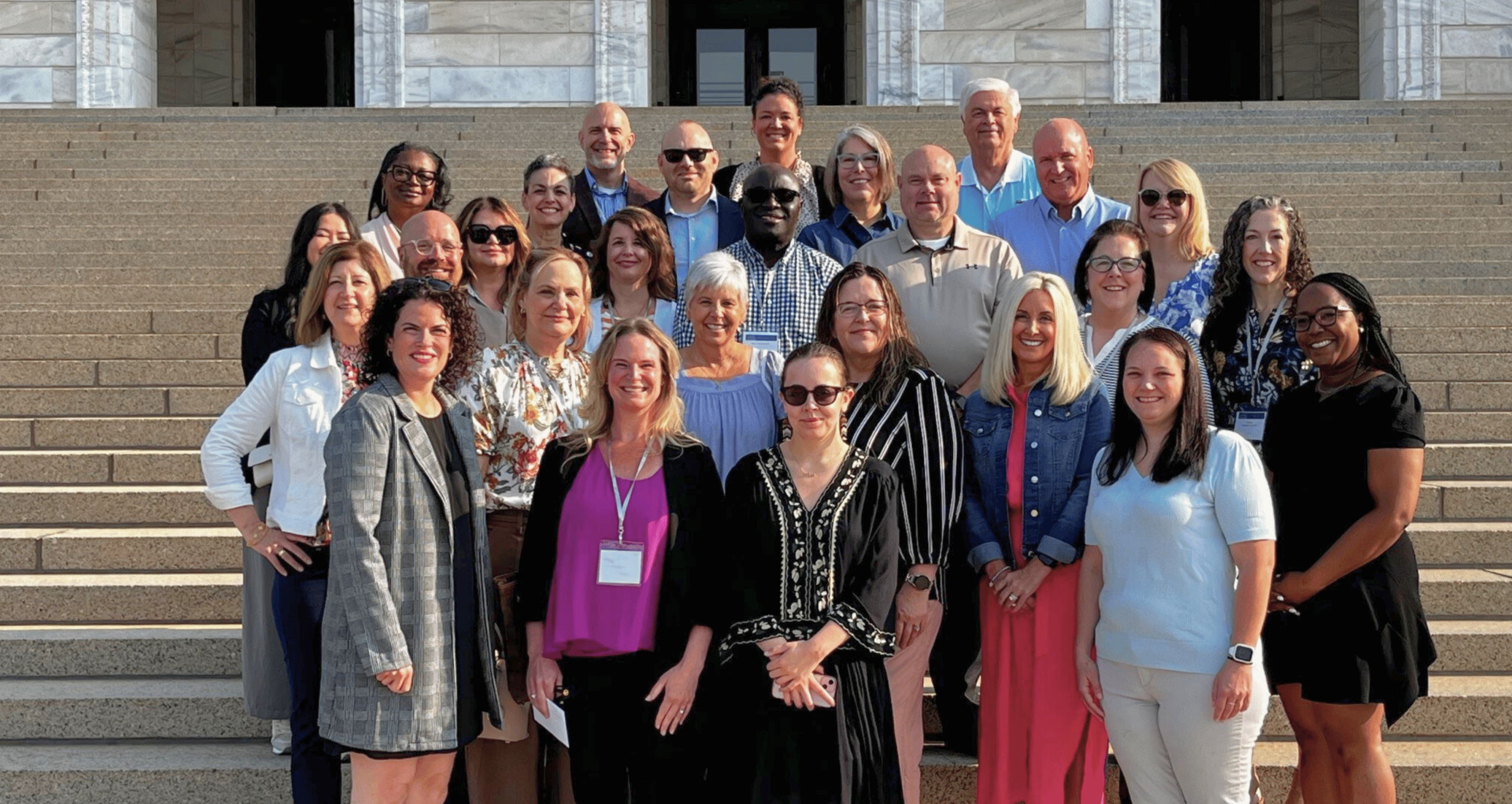
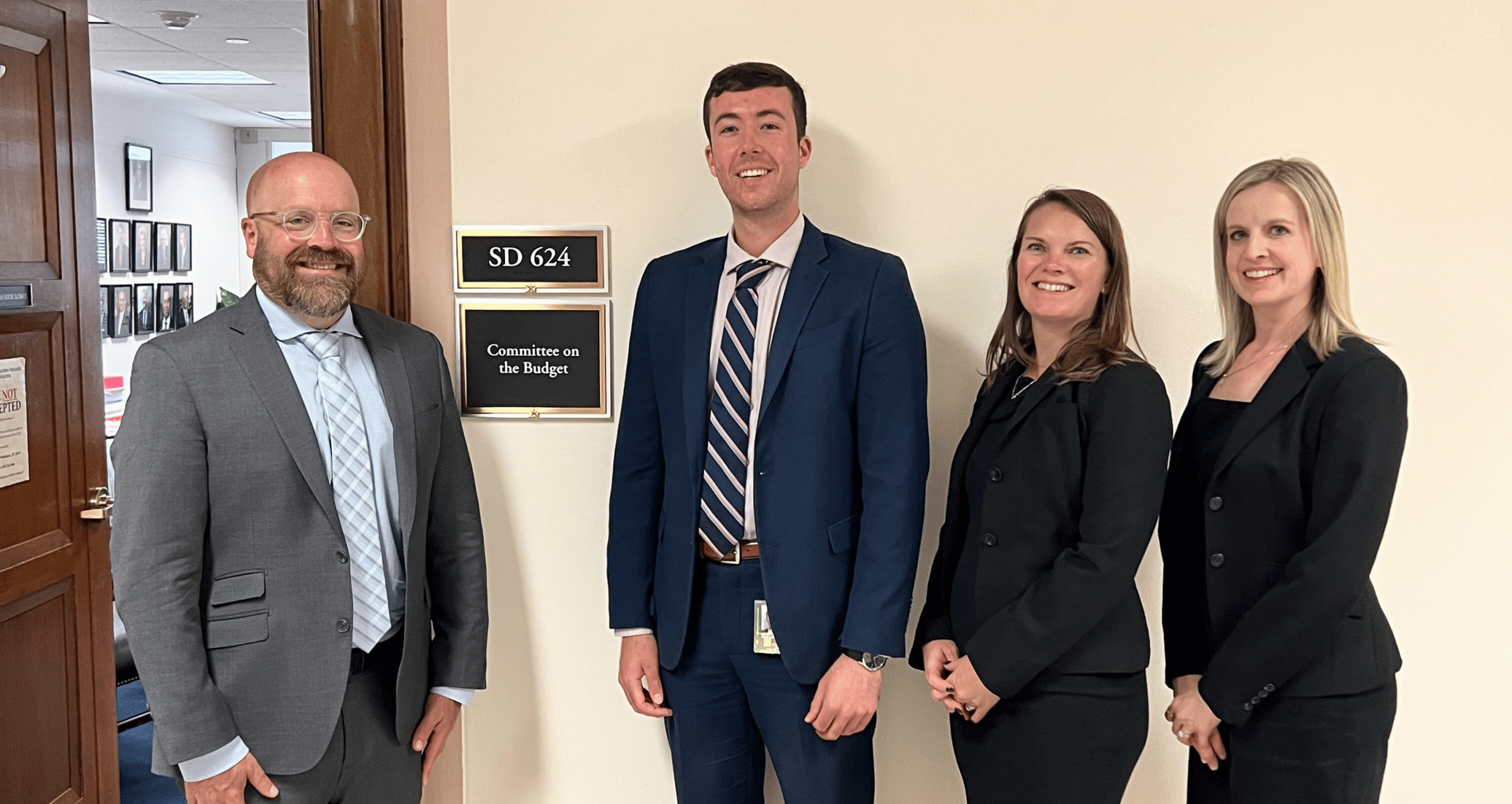
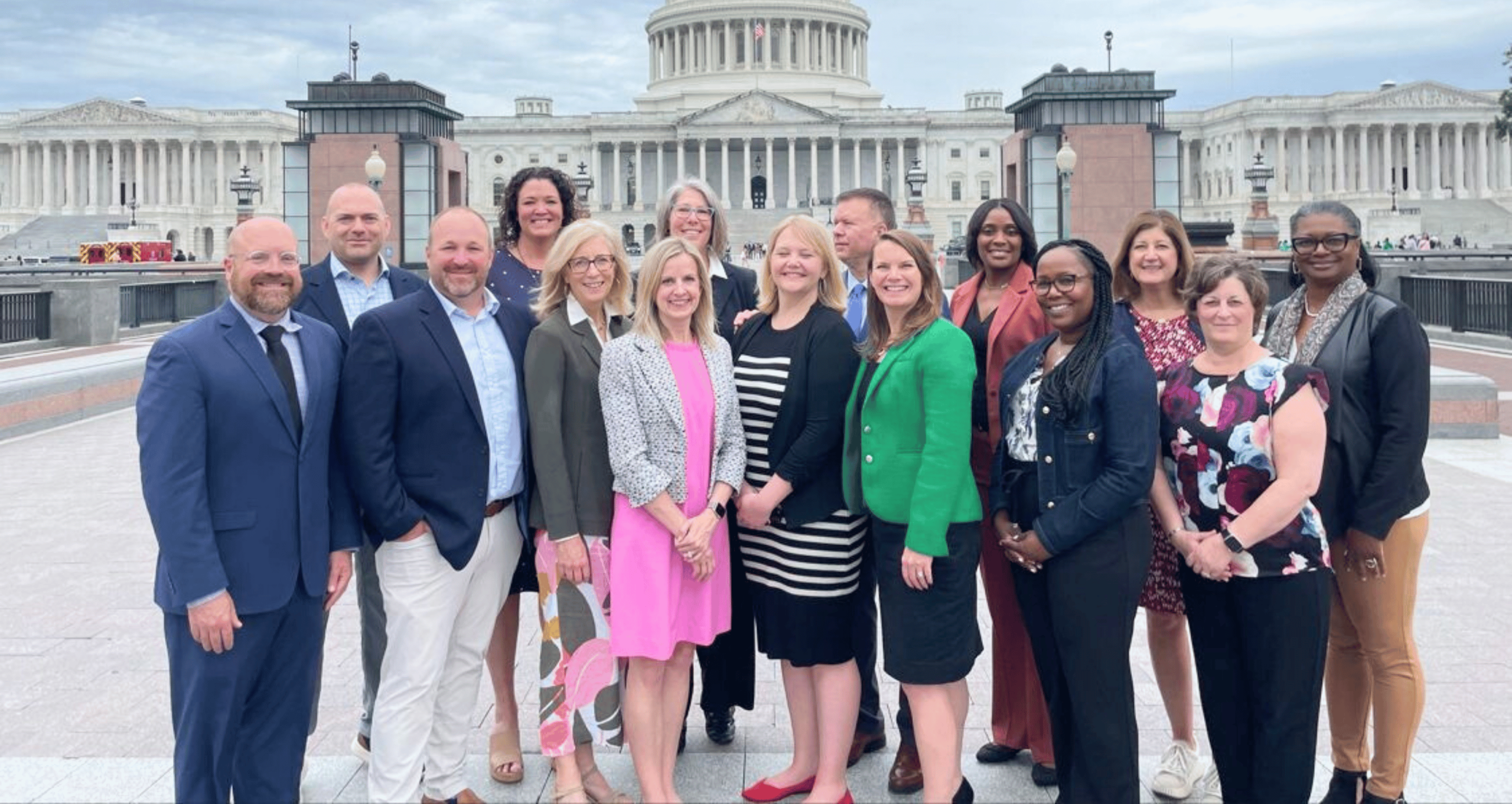
During our recent Health and Housing Solutions Summit, network members met with the offices of eight key lawmakers, including Sen. Patty Murray (D-WA), the Senate Appropriations Committee chair; Sen. Sherrod Brown (D-OH) and Sen. Tim Scott (R-SC), the chair and ranking Republican of the Senate Banking Committee; and members of the House Appropriations Subcommittee with jurisdiction over housing funding.

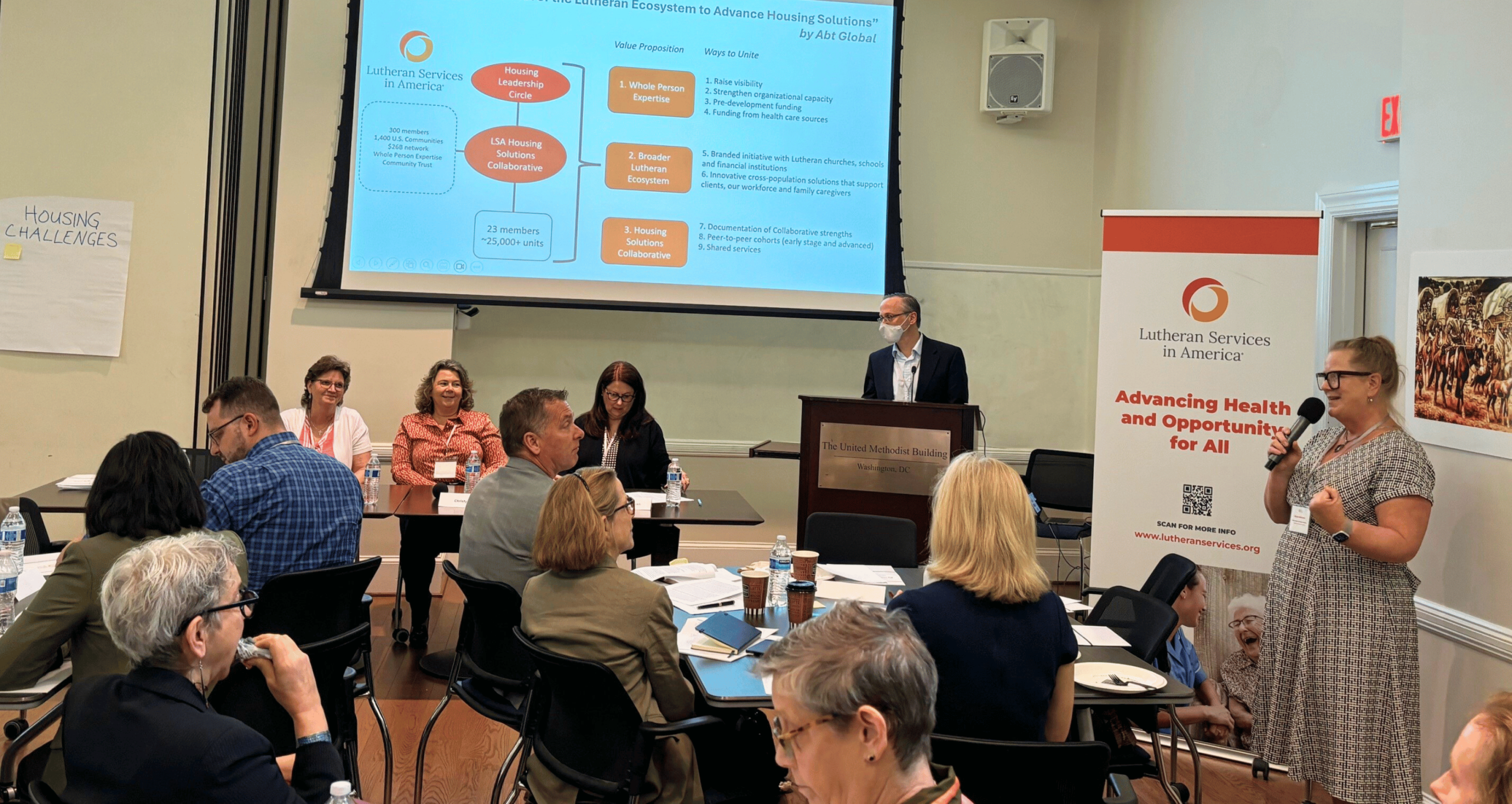
Network members reiterated key housing priorities for their communities related to accessibility and affordability. These priorities include providing adequate funding to expand affordable housing in communities, incentivizing faith-based land conversions, increasing options for aligning housing and services, improving rural housing programs, and increasing the availability of the Low-Income Housing Tax Credit.

Next steps have included a formal endorsement of the Rural Housing Service Reform Act (S. 1389), bipartisan legislation that would improve federal rural housing programs, and network members will be inviting these key lawmakers and their home state lawmakers on site visits to learn more about their work and needs in their communities.

For more information, contact Sarah.

Sarah Dobson is Senior Director of Advocacy and Public Policy at Lutheran Services in America.

Transforming Child Welfare: Reflections from the Results Network Convening in Chicago

May 17, 2024

Members of our Results Network cohort gathered in Chicago this week to continue our ongoing journey to find innovative solutions for families that keep them together and change our nation’s child welfare system for the better.

Our United Commitment

With 41 participants from our member organizations as well as additional stakeholders and partners, the two-day session was a testament to our collective commitment to drive change. Guided by the Person Role System approach from the Results Count framework, we are not just dreaming of change, we are actively shaping it. By zooming in on our roles as change agents, we are reshaping systems and moving towards a future where every child has the opportunity to thrive.

During the morning session, we focused on somatic practices to foster resilience. Through activities such as centering and grounding, the introduction to somatic toys, and breathwork, we embraced the journey of personal care, healing, and recognizing the importance of nurturing our own well-being as we advocate for others.

Strategizing for the Future

One of the highlights of the convening was our data walk, where we reviewed the work of each organization, shared insights, and engaged in table conversations. This reflective exercise allowed us to celebrate past achievements and identify areas for growth, all while centering equity and justice in our discussions.

In our final session, we came together to understand and help develop a framing guide that is aimed at simplifying the complexities of our work into plain language. This guide will serve as a powerful tool, enabling us to communicate effectively and inspire others to join our efforts to advance equity in the child welfare space.

Cultivating Genuine Connections

Throughout the convening, we prioritized the cultivation of genuine connections. We know that only together do we as advocates, allies, and change agents have the power to create caring communities that advance health and opportunity for children, youth, and families across the country. We invite you to join us as we continue to be innovative in our pursuit of equity and justice in child welfare.

Renada Johnson is the Senior Director of Children, Youth and Family Initiatives at Lutheran Services in America.
Match with a Lived Voices Fellow!

April 29, 2024

In March, we were honored to launch our inaugural Lived Voices Fellowship, a new community of people within the Lutheran Services in America or ELCA community who serve in positions of leadership and bring lived expertise. Some fellows have been refugees to the United States. Others have navigated public systems for housing, food assistance and child welfare. Through the fellowship they are healing, expanding their village and growing new skills to affect change. That is where you come in!

We are inviting you to contribute to and learn from one of our 17 amazing fellows by becoming a peer mentor. As a peer mentor, you will be matched with one of the Lived Voices fellows and engage in a powerful series of mutually beneficial conversations to advance your collective leadership.

Peer Mentor Obligation

Peer mentors will engage in three 1-hour conversations with their matched fellow in June, July and September (self-scheduled by fellow and peer mentor). 

  • The conversations will give both fellow and peer mentor the space to explore their respective stories, identify and build collective identity and make an actionable commitment grounded in lived experience and strategy.  
  • A guide will be provided for the conversations, grounded in Professor Marshall Ganz’s public narrative framework of Story of Self, Us and Now 
  • While not required, peer mentors are also encouraged to attend the final fellowship session on Thursday, November 14 from 1 to 4 p.m., where fellows will make a final presentation. 

 Qualifications

Ideal peer mentors will meet the following qualifications:

  • Embrace the Approach: Learn about the Self, Us, Now framework and be open to sharing your personal and professional journey through story, discuss the community you are building and make commitments coming out of the process.  
  • Able to Fulfill the Time Commitment: Be able to fulfill the time commitment of three 1-hour conversations, recognizing the importance of accountability to a fellow. Peer mentors are encouraged to attend the November 14 fellowship session.
  • Bring Diverse Personal and Professional Experiences. We welcome peer mentors from diverse personal and professional backgrounds. While a minimum of 15 years of professional experience is encouraged, we also recognize the value of diverse perspectives and encourage anyone interested in becoming a peer mentor to apply.

How to Apply

To share your interest in serving as a peer mentor, please fill out the following brief application form.

Kent Mitchell is Vice President of Strategy and Innovation at Lutheran Services in America.

Funding Opportunities

July 17, 2025

View the latest grant opportunities.

Basic Center Program
The primary purpose of BCP is to provide temporary, emergency shelter and counseling services to youth less than 18 years of age. We award community-based organizations funding to operate short-term shelters (including group home care and host family homes) and provide counseling services to youth who have run away or are experiencing homelessness or housing instability and who are not already receiving services from the child welfare or juvenile justice systems. Closing date for applications: July 23, 2025.

Maternity Group Home
The Maternity Group Home (MGH) program provides street-based outreach, safe, stable, and appropriate shelter, and comprehensive services for pregnant and/or parenting youth ages 16 to under 22 and their dependent child(ren) for 18 months and, and up to 21 months under extenuating circumstances. Service providers must accommodate the needs and safety of the dependent children to include facility safety standards for infants and children on the premises. Closing date for applications: July 23, 2025.

FY2025 Transitional Living Program
The Transitional Living Program (TLP) provides street-based outreach, shelter and comprehensive supportive services to youth ages 16 through 21 for up to 18 months or, under extenuating circumstances, 21 months. In addition to shelter, TLPs provide comprehensive services that support participating youth”s transition to self-sufficiency and stable, independent living. Through the combination of shelter and services, TLP youth are expected to show improvements in four core outcome areas: safe and stable housing, education or employment, permanent connections, and social and emotional well-being. Closing date for applications: July 23, 2025.

Elder Justice Innovation Grants FY2025
The purpose of the EJIG program is to support the development and advancement of new and emerging issues related to elder justice. Funded projects will contribute to the improvement of the field of elder abuse prevention and intervention at large, such as by developing materials, programs, etc. that can be widely disseminated and/or replicated, or by establishing and/or contributing to the evidence-base of knowledge. Closing date for applications: August 11, 2025.

EDA FY25 Disaster Supplemental
Through this Disaster NOFO, EDA will award investments in regions experiencing severe economic distress or other economic harm resulting from hurricanes, wildfires, tornadoes, floods, and other natural disasters occurring in calendar years 2023 and 2024. EDA’s goal under this NOFO is to assist communities recovering from a disaster by realizing opportunities to recover and change the economic trajectory of the community for the better. Closing date for applications: None.

Find more national, regional and federal funding opportunities from our partners at GrantStation Insider and sign up for our weekly GrantStation newsletter.

Taking Action to Advance Housing Solutions

April 30, 2024

To build on the work of our network to advance housing solutions in communities across the country, Lutheran Services in America is supporting the federal expansion of the Low-Income Housing Tax Credit (LIHTC). Provisions in pending legislation represent what would be the largest single investment in affordable housing in decades.

Earlier this year, the House passed with strong bipartisan support the Tax Relief for American Families and Workers Act of 2024 (H.R. 7024), which includes key provisions to expand LIHTC. Action has moved to the Senate, and we are asking you to contact your senators and urge them to pass this legislation to better address our nation’s housing crisis by meeting critical, urgent needs that have been under-resourced.

If passed, this bipartisan legislation will expand and strengthen LIHTC by financing the construction or preservation of an estimated 200,000 additional affordable housing units nationwide, generating more than $34 billion in wages and business income, supporting over 304,000 jobs, and generating almost $12 billion in federal, state, and local tax revenue.

We hope you will join us in raising our collective voice on this urgent issue. If you have any questions, please contact Sarah Dobson.

Sarah Dobson is Senior Director of Public Policy and Advocacy at Lutheran Services in America.
Mill Neck Boosts Vaccination Education in New York

January 17, 2024

Lutheran Social Services of the Southwest Spreads Holiday Warmth with Blanket Drive for Older Adults

December 29, 2023

What Happens When We Come Together

May 23, 2024

Results Network: A Journey to Transform Communities by Cultivating Caring Communities

September 28, 2023

Our Results Network cohort, a part of our Results Innovation Lab, is a dynamic nine-month learning collaborative that brings together leaders from across the Lutheran Services in America network to explore and innovate new strategies and approaches that will reshape how we engage children and families, with a specific focus on racial justice.

Thanks to a new partnership between Lutheran Services in America and the ELCA, grassroots faith-based ELCA church-led organizations and congregations have joined our 2023–2024 cohort to help us answer the question: “What will it take to stabilize families in their communities, ensuring families remain intact, and children do not enter out-of-home care?”

The Results Network is designed to accelerate innovative approaches, revamp how we engage families in crisis, and create pathways to keep families together, especially children, youth, and families who are over-represented in the child welfare system.

This proven approach has produced tremendous results in past years, and we believe that this year’s cohort will contribute immensely to our efforts, having already reached over 25,000 children and families in our Lab to date.

Organizations that have joined this transformative journey will have the opportunity to:

  • Access expertise from across the network and national thought leaders.
  • Become part of a learning community through the exchange of ideas and learning, building lasting, supportive relationships within the network.
  • Develop new approaches to achieve results and engage partners in moving the work forward.
  • Challenge the status quo and identify barriers to improving equitable outcomes for children, youth, and families.

Throughout the year, participants will create results-driven action plans through a step-by-step process by delving into key themes, incorporating and amplifying lived expertise, and utilizing plain language to engage a wider audience in addressing disparities. They will also examine and pursue opportunities to shift policies, practices, resources, and power structures all aimed at supporting and sustaining equitable outcomes for children, youth, and families. The goal is for each organization to consistently achieve measurable and impactful advancements by increasing equitable access to supports and strengthening community networks through a racial equity lens, advancing diversity, equity, and inclusion as a social norm.

Stay tuned for more information on this incredible journey of impact and transformation.

Renada Johnson is Senior Director of Children, Youth and Family Initiatives at Lutheran Services in America.

SNF Minimum Staffing Standard Published: Tell CMS How New Mandate will Impact your SNFs and Access to Care

September 11, 2023

On September 1, the Biden Administration officially published for public comment a proposed rule that would mandate minimum staffing levels at skilled nursing facilities. A 60-day comment period began September 6 and will end with all comments due on November 6.

Lutheran Services in America will be submitting comments sharing our concerns about the proposed new requirement and helping you do the same. We are currently analyzing the full rule and what it means for our network, but our initial concerns include the 24/7 RN requirement, only allowing time-limited hardship exemption waivers, and lack of funding for implementing mandated staffing increases.

Since early 2022 when the Administration originally announced their intent to mandate minimum staffing levels, we have heard from many of you that the uniform application of this new requirement, on top of the enduring workforce shortage in direct care, will result in reduced access to long-term care for older adults in rural and underserved communities as providers continue to struggle to fill staffing vacancies. We have worked diligently to ensure that the concerns of our network are heard and incorporated into the new rule, including meetings with key senators, the White House Domestic Policy Council, and CMS Administrator Chiquita Brooks-LaSure.

Our collective voice is powerful, and we look forward to continuing to bring its impact to bear on this rule.

Sarah Dobson is the Senior Director of Public Policy and Advocacy at Lutheran Services in America.

TOGETHER,

we make life better for children, youth, and families today—and for generations to come.

Our shared Lutheran tradition of service to our neighbor is more vital than ever.

Join us as we work to ensure our network continues delivering essential services to all in need.