
Whole Communities, Whole Families: How Cross-Sector Collaboration Moves Results

October 20, 2025

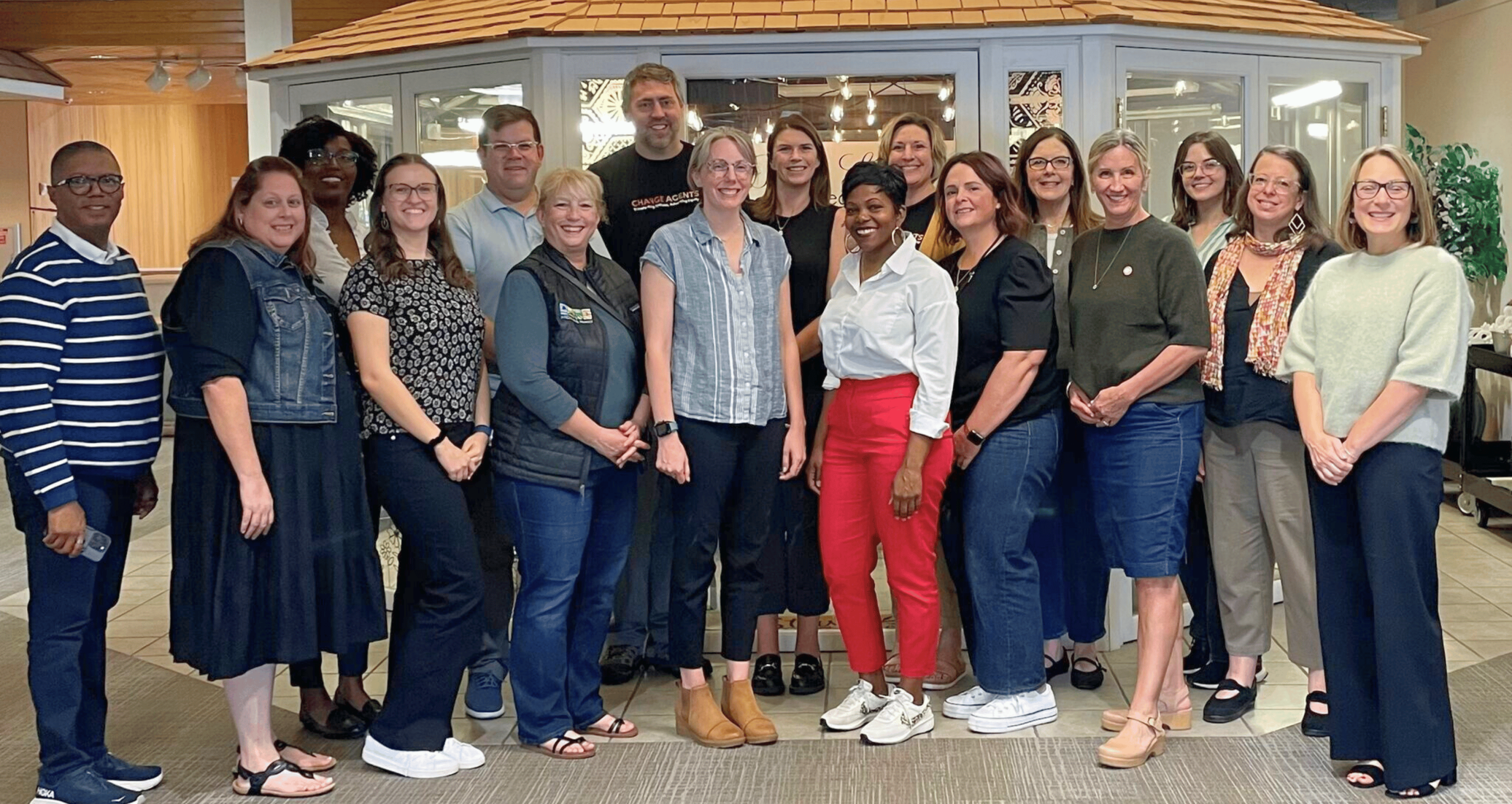
This month, teams from the Family Stabilization Initiative (FSI) and the Rural Aging Action Network (RAAN) came together in Billings, Montana, to strengthen how we support whole families and whole communities. Leaders from across sectors aligned around one result: giving children the opportunity to grow up in safe, stable, permanent families, and ensuring older adults and caregivers have what they need to thrive. With representation from 10 communities across six states, the gathering was designed for practical learning and concrete action.

We are in the work of transformation, not transaction. Our focus is on creating lasting change, not just checking boxes or exchanging resources. Collaboration begins with relationships and grows through belonging and shared accountability.

When organizations coordinate around shared outcomes, communities feel the difference: children become safer and more connected; parents and caregivers gain stability and hope; older adults access coordinated, dignified support; and community trust in local organizations grows. That understanding is why we brought partners together in Billings — to strengthen relationships, align around shared results, and lay the groundwork for actions that can move us toward those outcomes.

What We Did Together

On Day 1 we used data, community voice, and a shared results framework to move from coordination to collaboration.

To surface the stories behind the numbers, we began with a Data Walk. The goal was simple: see patterns, spot gaps, and lift up bright spots we could build on. We asked, “What had changed — and what could change — for families, older adults, and caregivers? What root causes were we seeing across age ranges?”

From there, paired FSI and RAAN teams compared their Results-in-the-Center charts to find overlap and leverage, moving from intention to action. Using plain-language concepts adapted from the Collaboration Multiplier, teams surfaced shared root causes and practical opportunities to act together. Throughout, we listened for how lived experience and community voice were engaged in design and decision making.

We closed with Team Time and action commitments. Each team documented a near-term roadmap detailing goals for the next 6 to 12 months, owners and partners, timelines, and the feedback loops they would use for course correction.

Day 2 offered an opportunity for FSI and RAAN to focus on their respective models and priorities. The RAAN collaborative spent the day diving deep into their data — exploring what the numbers reveal about their communities, identifying trends, successes, and areas for growth to strengthen their work in serving rural older adults and family caregivers. Each RAAN also took part in a storytelling session, sharing personal stories that highlighted the impact of their efforts to support older adults and mobilize their communities. The day concluded with meaningful discussions on managing compassion fatigue and a leadership development session that underscored the unique gifts each leader brings and the power of collaboration in advancing this important work.

In parallel, FSI focused on systems change and the practice shifts needed to improve family outcomes. We highlighted the Community Building and Mobilization Framework we developed with Chapin Hall, a shared language for how communities lead and how organizations resource what already works. In Montana, partners brought the framework to life by sharing their story and organizing a Fall Family Festival that met families in trusted spaces, elevated lived experience, and activated cross-sector support on the ground. Teams also examined their current efforts, traced their “story of change,” and identified the next tests of change to carry forward.

The Leadership Stance We Modeled

We knew that support that lasts requires more than a new initiative; it requires adaptive work. We let go of “how we have always done it,” challenged assumptions, tried new approaches, and learned in the open. We built shared accountability across organizations and sectors and centered lived expertise and community voice as non-negotiables. We did not script perfection at the front of the room; we modeled authentic learning so teams could mirror that same openness at their tables.

A Note of Thanks

We could not have created this container for change without our partners, who helped us dig deeper. Their support stretched our learning and leadership and demonstrated what is possible when local vision is resourced and respected. We are grateful for partners investing in the long game — community trust, equitable outcomes, and stronger families. And last but certainly not least, a special thank you to our host organization, St. John’s United, for their generous hospitality, beautiful meeting spaces, and thoughtful support throughout our time together. Their team’s care and attention to detail helped create an environment that encouraged collaboration, reflection, and connection.

Together, we showed that when organizations lean into community partnerships and elevate family voices, families thrive and systems shift.

Renada Johnson is Senior Director of Children, Youth & Family Initiatives at Lutheran Services in America. Regan McManus is Director of Aging Initiatives at Lutheran Services in America.
Community Building That Sticks: A Framework for Stronger Families and Thriving Communities

October 17, 2025

Every day, families work hard to care for their children and build stable lives, often while navigating gaps in systems that weren’t designed with them at the center. If we want children to grow up in safe, stable, permanent family homes, we have to build communities where help is early, relationships are strong, and partners act together.

Our network of 300 health and human services organizations reaches one in 50 people in America each year. That reach gives us a unique ability to see both the barriers that threaten family stability and the strength, leadership, and innovation within communities themselves.

The Conditions Families Face

When affordable child care, mental health supports, or reliable access to food are out of reach, even the most determined efforts can become overwhelmed. These challenges reflect systems that too often step in after a crisis has unfolded, rather than investing in the conditions that help families thrive from the start. When support arrives late, crises can snowball—placing children at greater risk of long-term hardship and forcing families to carry burdens that should be shared by communities and systems. Research and experience show that when families have access to employment opportunities and strong supports within their communities, they are far more likely to be stable.

Laying the Foundation for Change  

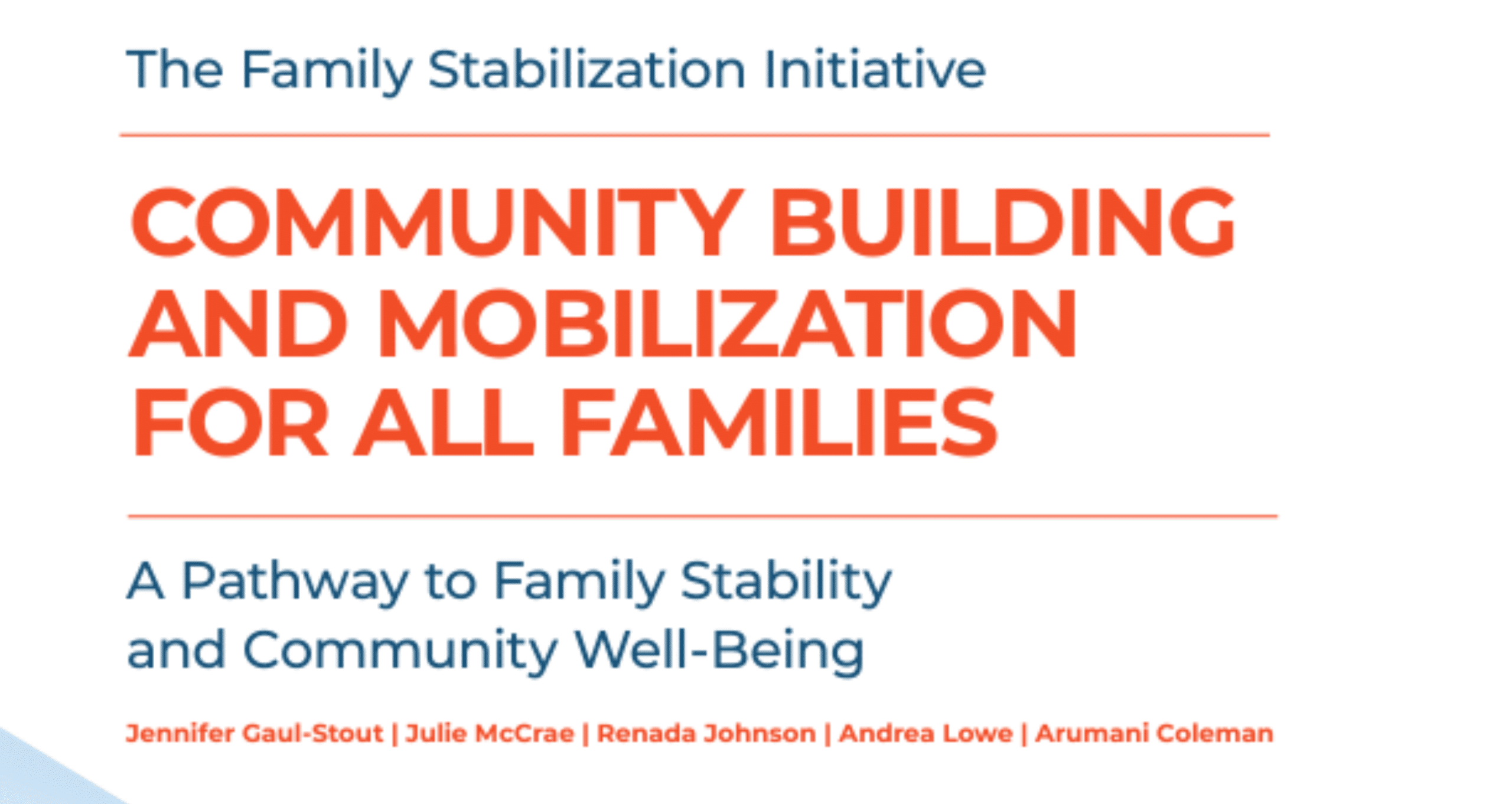
This understanding laid the foundation for the launch of our Family Stabilization Initiative (FSI) four years ago—a multi-pronged effort to build systems that put family well-being first. Through this initiative, we’ve partnered with six communities in four states to strengthen evidence-based wraparound programs that help families overcome crises and prevent unnecessary involvement in the child welfare system. To deepen and expand this work, we partnered with Chapin Hall to develop a practical new framework for the field: “Community Building and Mobilization for All Families: A Pathway to Family Stability.”

This new framework provides clear guidance for operationalizing key principles that address the root causes of instability and build on the inherent strengths of families and communities. It’s grounded in lived expertise, shaped by on-the-ground partnerships, and designed for practitioners and organizations committed to authentically engaging communities in partnership with families.

Guiding Principles

At our recent webinar, practitioners and nonprofit leaders explored five guiding principles that form the framework’s Theory of Change:

  • People-driven Collaboration: Centering community members’ voices to co-create solutions that reflect local priorities and build resilient, long-term relationships.
  • Asset-based Partnerships: Building on existing community strengths and networks, both traditional and nontraditional, to foster trust and sustainable change.
  • Capacity Building: Investing in people and systems to create equitable, adaptable, and enduring community support structures.
  • Shared Leadership: Promoting collective action, fair power-sharing, and lasting partnerships that enable communities to respond effectively and sustainably.
  • Collaborative Evaluation: Co-developing goals, using both data and lived experience to measure progress, and creating feedback loops that ensure strategies evolve with community needs.

These principles are already in practice through FSI sites, including AK Child & Family in Alaska, Lutheran Community Services Northwest in Washington state, Lutheran Social Services of South Dakota, and St. John’s United in Montana. Each organization has demonstrated how community-driven strategies can lead to better, measurable outcomes for children and families.

Why This Framework Matters

The framework is a set of simple practices that help communities lead and help organizations resource what already works. It doesn’t replace services — it creates the conditions that make them accessible, trusted, and effective.

It’s a way of working that weaves relationships, local leadership, and data into every decision. Transactional responses meet immediate needs, but transformational relationships create the conditions for lasting change. Community building helps us move from delivering services to co-creating solutions, calling us to practice humility and share power.

Community building is prevention with people at the center.

Join Us

The well-being of children and families is a shared responsibility that belongs to everyone: families, schools, service agencies, government, business, and the faith community alike. As we continue to advance this work through the FSI framework, we invite you to join us.

We encourage Lutheran Services in America members to explore how these five principles can strengthen your own community partnerships. We also welcome the chance to create new partnerships with outside organizations willing to help us scale this framework to more communities nationwide to advance family stability.

The strength of this framework lies in what happens next — in how each of us chooses to lead, connect, and act. Community building isn’t extra work; it’s the work that makes lasting change possible.

Renada Johnson is Senior Director of Children, Youth & Family Initiatives at Lutheran Services in America.
Transforming Child Welfare: Reflections from the Results Network Convening in Chicago

May 17, 2024

Members of our Results Network cohort gathered in Chicago this week to continue our ongoing journey to find innovative solutions for families that keep them together and change our nation’s child welfare system for the better.

Our United Commitment

With 41 participants from our member organizations as well as additional stakeholders and partners, the two-day session was a testament to our collective commitment to drive change. Guided by the Person Role System approach from the Results Count framework, we are not just dreaming of change, we are actively shaping it. By zooming in on our roles as change agents, we are reshaping systems and moving towards a future where every child has the opportunity to thrive.
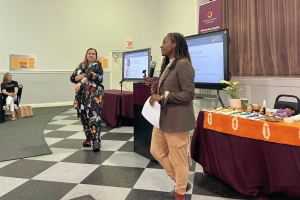
During the morning session, we focused on somatic practices to foster resilience. Through activities such as centering and grounding, the introduction to somatic toys, and breathwork, we embraced the journey of personal care, healing, and recognizing the importance of nurturing our own well-being as we advocate for others.

Strategizing for the Future

One of the highlights of the convening was our data walk, where we reviewed the work of each organization, shared insights, and engaged in table conversations. This reflective exercise allowed us to celebrate past achievements and identify areas for growth, all while centering equity and justice in our discussions.
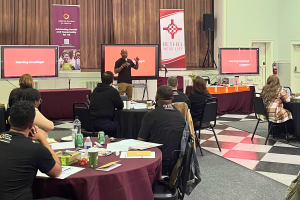
In our final session, we came together to understand and help develop a framing guide that is aimed at simplifying the complexities of our work into plain language. This guide will serve as a powerful tool, enabling us to communicate effectively and inspire others to join our efforts to advance equity in the child welfare space.

Cultivating Genuine Connections

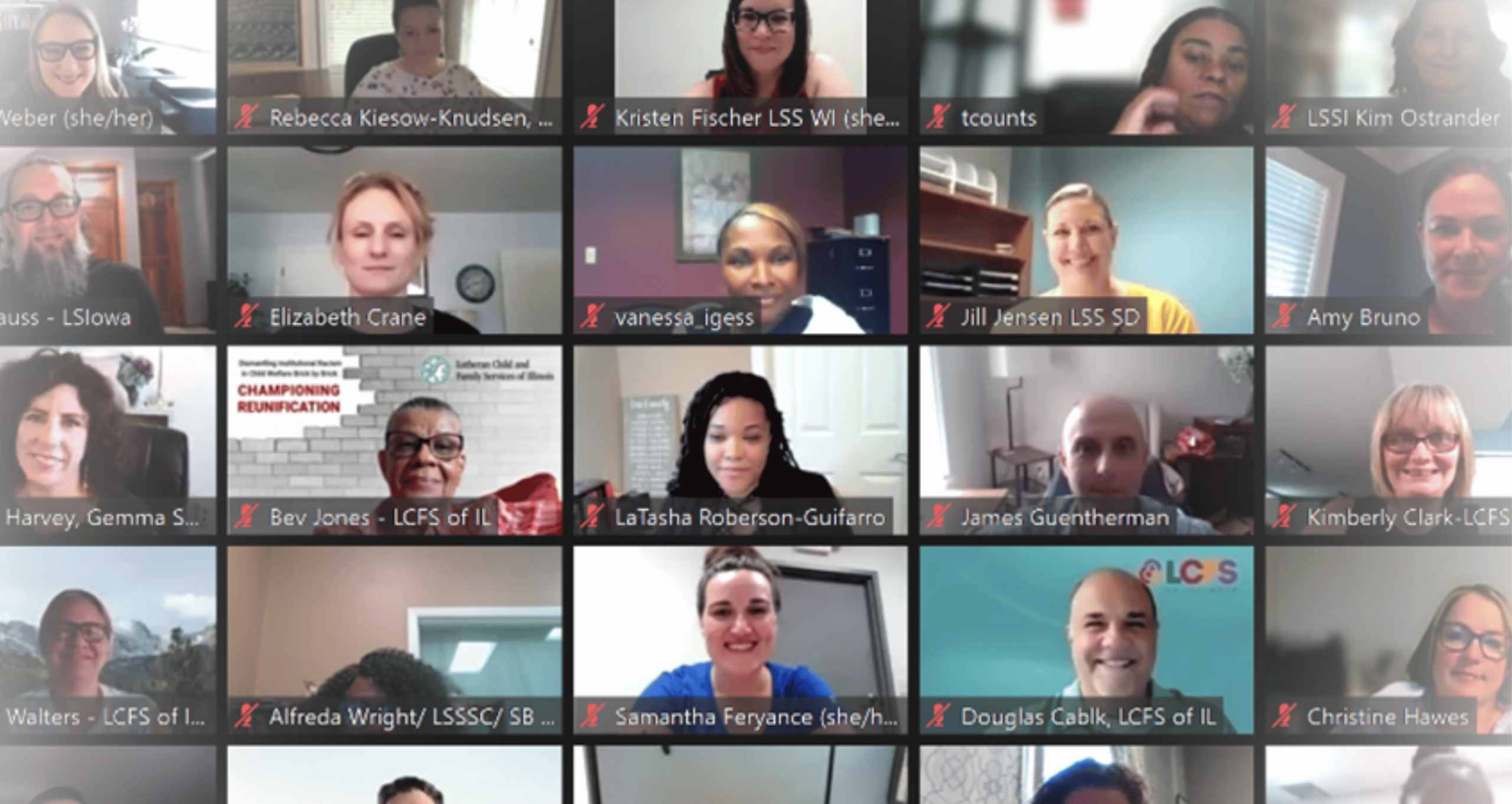
Throughout the convening, we prioritized the cultivation of genuine connections. We know that only together do we as advocates, allies, and change agents have the power to create caring communities that advance health and opportunity for children, youth, and families across the country. We invite you to join us as we continue to be innovative in our pursuit of equity and justice in child welfare.

Renada Johnson is the Senior Director of Children, Youth and Family Initiatives at Lutheran Services in America.

Results Network: A Journey to Transform Communities by Cultivating Caring Communities

September 28, 2023

Our Results Network cohort, a part of our Results Innovation Lab, is a dynamic nine-month learning collaborative that brings together leaders from across the Lutheran Services in America network to explore and innovate new strategies and approaches that will reshape how we engage children and families, with a specific focus on racial justice.

Thanks to a new partnership between Lutheran Services in America and the ELCA, grassroots faith-based ELCA church-led organizations and congregations have joined our 2023–2024 cohort to help us answer the question: “What will it take to stabilize families in their communities, ensuring families remain intact, and children do not enter out-of-home care?”

The Results Network is designed to accelerate innovative approaches, revamp how we engage families in crisis, and create pathways to keep families together, especially children, youth, and families who are over-represented in the child welfare system.

This proven approach has produced tremendous results in past years, and we believe that this year’s cohort will contribute immensely to our efforts, having already reached over 25,000 children and families in our Lab to date.

Organizations that have joined this transformative journey will have the opportunity to:

  • Access expertise from across the network and national thought leaders.
  • Become part of a learning community through the exchange of ideas and learning, building lasting, supportive relationships within the network.
  • Develop new approaches to achieve results and engage partners in moving the work forward.
  • Challenge the status quo and identify barriers to improving equitable outcomes for children, youth, and families.

Throughout the year, participants will create results-driven action plans through a step-by-step process by delving into key themes, incorporating and amplifying lived expertise, and utilizing plain language to engage a wider audience in addressing disparities. They will also examine and pursue opportunities to shift policies, practices, resources, and power structures all aimed at supporting and sustaining equitable outcomes for children, youth, and families. The goal is for each organization to consistently achieve measurable and impactful advancements by increasing equitable access to supports and strengthening community networks through a racial equity lens, advancing diversity, equity, and inclusion as a social norm.

Stay tuned for more information on this incredible journey of impact and transformation.

Renada Johnson is Senior Director of Children, Youth and Family Initiatives at Lutheran Services in America.

The Courage to Come Together

August 30, 2023

Lutheran Services in America is currently seeking grassroots, faith-based organizations and initiatives affiliated with an ELCA church or community to join our 2023–2024 Results Network cohort, which starts September 28. Participation is free. The Results Network is a transformative opportunity for teams to advance racial equity for children and families in a high-support and high-accountability hybrid cohort experience. Participants work in fields as varied as child welfare, housing and economic empowerment, but are united by the goals of preventing or stabilizing families in crisis, strengthening communities and addressing racial disparities. Learn more about this opportunity and how to join.

Five years ago, I hit a wall professionally. I was exhausted by a four-year effort to transform an early childhood organization in Indiana and questioning my ability to lead teams. I did something that felt scary. With a second child on the way, I took a professional role with a lot less pay, but the flexibility to join a virtual cohort of changemakers I had long eyed as an opportunity to reinvigorate and refresh my purpose and my skills in advocacy and organizing.

The cohort, which was university-organized and crossed global boundaries, was a transformative experience that gave me the space to learn and safely practice new skills. One of my closest cohort relationships was with a young person working to create a new political party in Eastern Europe. We explored common challenges and solutions, despite our disparate focus areas. We provided each other candid, but empathetic coaching. I found my skill set growing exponentially, almost day-to-day. When the cohort ended, I used my new skills—and new energy—to grow a campaign to end smoking related death and illness in Indiana to 10,000 advocates.

Professional cohorts are amazing vehicles for change, in part because the act of joining one is motivated by courage. Courage to put yourself into a new and unfamiliar community. Courage to admit you need to grow professionally. Courage to explore what it means to move from the transactional (most of our day-to-day work, often by necessity) to the transformational.

I’m honored that Lutheran Services in America is host to the Results Network—a powerful annual cohort of child and family-serving organizations working toward transformative outcomes rooted in a focus on race equity.

In the past year, 41 Lutheran social ministry leaders across 10 U.S. communities took the courageous act of joining the Results Network and working through professional challenges. The results at the end of the year? Transformative change for over 8,300 children and families!

In coming together, participants in the Results Network—who work in teams of three—make the courageous commitment to:

  • Be results-based and data-driven
  • Bring attention to and act on disparities
  • Use oneself as an instrument of change to move a result
  • Master the skills of adaptive leadership
  • Collaborate with others

When these commitments are made and supported by the cohort’s facilitation and coaching, transformation happens. Here are just a few of the remarkable results from last year’s cohort:

  • Lutheran Social Services of New York witnessed a 13% decrease in the length of stay for Black youth in foster care, demonstrating their commitment to addressing disparities.
  • Gemma Services’ (Pennsylvania) initiative to establish adolescent and father peer-support groups provided vital support to youth and families, empowering them to access resources, navigate systems and feel less isolated.
  • Lutheran Child and Family Services of Illinois achieved a remarkable milestone with 72% of their foster youth successfully reunified with their families, a 50% improvement in the past year through a renewed dedication to strengthening families and emphasizing reunification rather than adoption or guardianship.
  • Lutheran Social Services of Southern California implemented changes to electronic records and diligent search efforts to engage Black fathers and paternal resources which yielded positive outcomes.

One of the amazing elements of the Results Network cohort is the integration of peer leadership. In the most recent cohort, six diverse peer leaders were engaged to formally share their expertise, coaching and guidance.

The coming year of Results Network—which begins September 28—holds such high promise. Through a partnership with the Evangelical Lutheran Church in America (ELCA), we are thrilled to welcome grassroots, faith-based organizations and initiatives affiliated with an ELCA church or community to join, contribute and transform. Their courageous work and presence will deepen and expand the experiences, expertise and diversity of the Results Network, yielding unexplored results. I cannot wait to see what results emerge from this coming together of the Lutheran Services in America and ELCA communities!

If you are a grassroots, faith-based organization or initiative affiliated with an ELCA church or community that is interested in joining this year’s Results Network, please take a moment to learn more about participation and reach out to Renada Johnson, Senior Director of Child, Youth and Family Initiatives (rjohnson@lutheranservices.org).

Onward, together, with courage!

Kent Mitchell is the Vice President of Strategy and Innovation at Lutheran Services in America.

Knowledge is a Key to Freedom

June 27, 2022

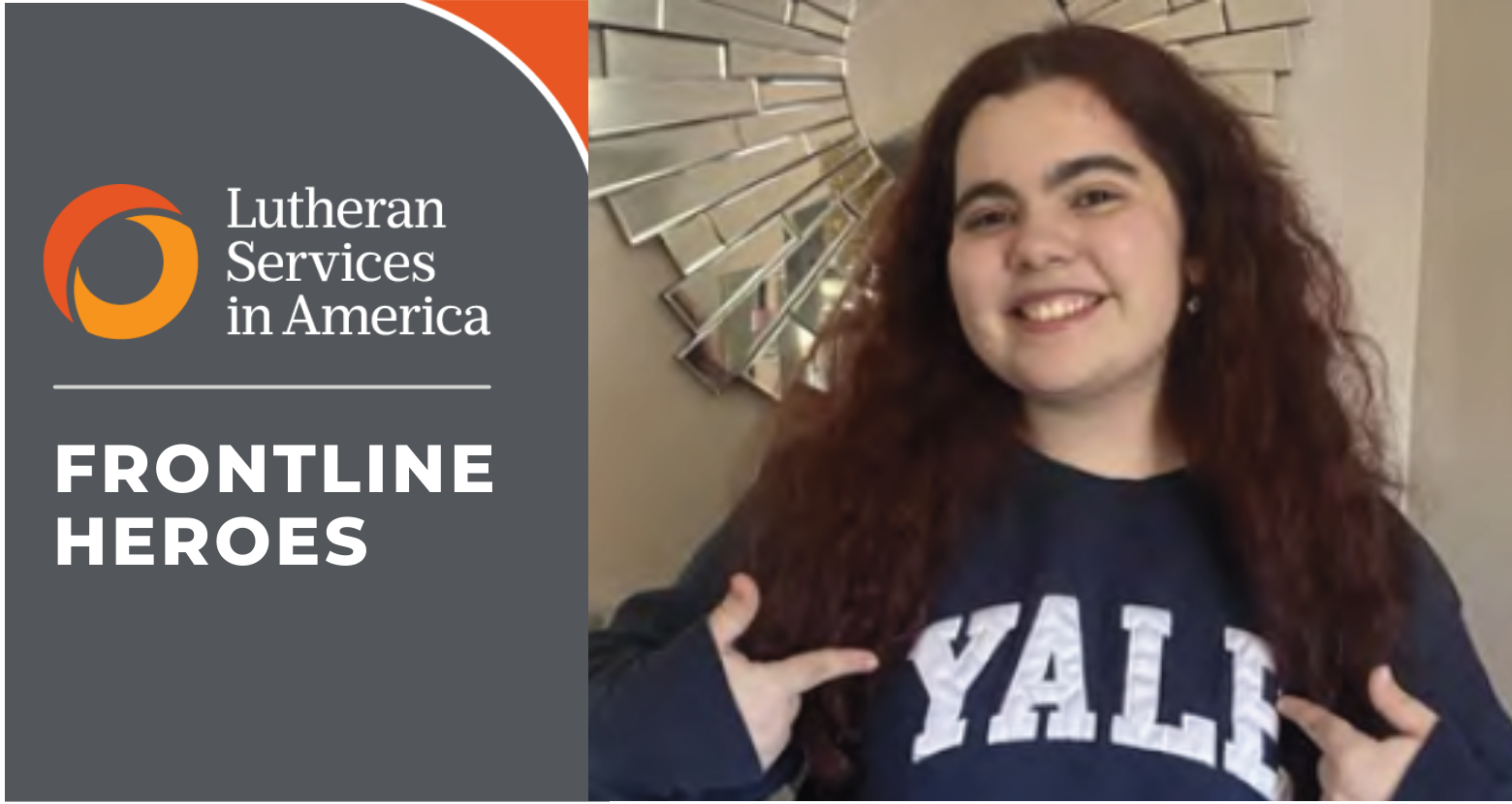
Sheyla Rodriguez will enter Yale University this fall. She has a bright future, but it took a long journey for her to arrive at this point.

She and her family left Cuba when she was eleven and within days stood at the border between Mexico and the United States. They left a repressive dictatorship to live in a nation where freedom and opportunity are available to all people. She is now a permanent U.S. resident and is graduating from Chula Vista High School in California with a 4.6 grade point average.

Always studious, Sheyla made excellent grades, but felt cut off from the world during the COVID lockdown. Despite living with loving and supportive parents, she could not spend time with classmates in person or have extended conversations with teachers. Gradually she slipped into depression, her classes felt like a burden, her self-image suffered and she lost her passion for the future.

Then she learned about Upward Bound. This program, offered through the U.S. Department of Education and administrated by Lutheran Social Services of Southern California, helps students develop the skills and motivation to complete high school and succeed in postsecondary studies. At least two-thirds of the participants are first generation college students from low-income families.

Sheyla said Upward Bound helped her in three ways:

  1. The instructors in the required college-level courses she took during summers inspired her with their passion for learning;
  2. Her new friends in the program felt like an extended family; and
  3. Upward Bound strengthened her with a hope for her future.

Her parents work in a local hotel, her dad as a house man and her mom as a housekeeper. They have loved and supported their daughter in every conceivable way. Her father’s mantra has always been, “Knowledge is a key to freedom.” Graduation day at Chula Vista High School will be a celebration for the entire Rodriguez family. Sheyla is the valedictorian of her class!

Lutheran Social Services of Southern California is a member of Lutheran Services in America, a national network of 300 Lutheran health and human services organizations that reaches one in 50 people in America each year.

Learn more about Lutheran Social Services of Southern California.

Renada Johnson Joins Us to Lead the Results Innovation Lab, Launch of Results Network Year 3

June 28, 2022

Renada Johnson joined Lutheran Services in America as the Director of the Children, Youth and Family Practice in June. Renada has more than 20 years of experience in child welfare, nonprofit, social justice and community engagement, most recently serving as the Director of Youth and Birth Family Engagement at the National Center for Children and Families in Washington D.C.

Renada will lead the Results Network and the Family Stabilization Initiative, two prominent initiatives in the Results Innovation Lab (“The Lab”) committed to empowering families and transforming policy and practice in the child welfare system. The Lab recognizes the key role that providers have in transforming policy and practice and engages leaders from across our network to address the racial disparities in the child welfare system. Together with partners from academia, philanthropy and others, we are working towards transformative change!

Launched in January 2021, our Family Stabilization Initiative is a three-year project where we are awarding $2.9 million in grants to organizations in our network located in four target states: Alaska, Montana, South Dakota and Washington. The work under this initiative expands services in underserved communities in the target states and activates community networks to address the disproportionate number of children of color separated from their families.

The Results Network is a three-year initiative dedicated to stabilizing families in crisis so more families can remain safe, strong and together and children across the United States have the opportunity to thrive and grow up to be healthy, productive adults. Using a variety of data-drive strategies we build the capacity of nonprofit leaders to lead broadscale change in their organizations and communities.  Launched in July 2020, 48 nonprofit leaders from 15 communities across the country have joined together to explore what will it take to ensure that all children regardless of race or ZIP code are given the opportunity to thrive in stable loving families.

We are in the process of launching a new cohort: Results Network Year 3. If you would like to be part of this exciting opportunity, please contact Renada Johnson for more information.

Supporting
Our Neighbors,

TOGETHER.

Our shared Lutheran tradition of service to our neighbor is more vital than ever.

Join us as we work to ensure our network continues delivering essential services to all in need.